
Basset Fauve de Bretagne: The Complete Guide to Brittany’s Newly AKC-Recognized Hound
Basset Fauve de Bretagne
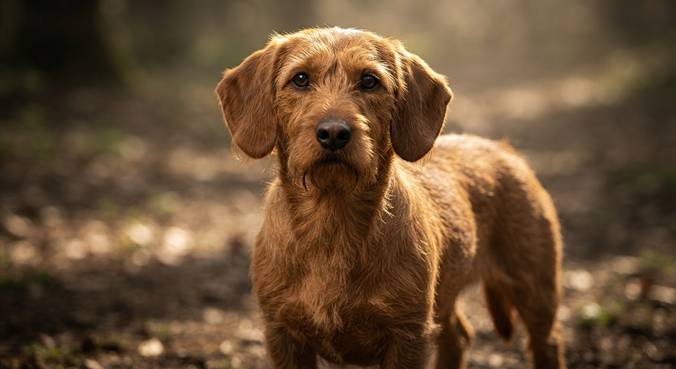
The Basset Fauve de Bretagne — literally “fawn basset of Brittany” — is a small, wiry-coated French scent hound with a genuinely current claim to fame: it became eligible to compete in the AKC’s Hound Group effective January 1, 2026, making it one of the newest breeds recognized by the organization. Developed in 19th-century Brittany from the now-extinct Grand Fauve de Bretagne, this cheerful, energetic little hound is still a rare sight in the US. This guide covers its history, its brand-new AKC status, and how it compares to two breeds it’s frequently confused with: the Basset Hound and the Petit Basset Griffon Vendéen.
Basset Fauve de Bretagne Quick Facts
The Basset Fauve de Bretagne belongs to the AKC Hound Group [Internal Link], with eligibility effective January 1, 2026, and the FCI Group 6, Section 1.3 (Small-sized Scent Hounds), Standard No. 36.
| Attribute | Detail |
| AKC Group | Hound Group; eligible effective January 1, 2026 |
| FCI Group | Group 6, Section 1.3 (Small-sized Scent Hounds), Standard No. 36 |
| Country of Origin | France (Brittany) |
| Height | 12–15 in at the shoulder |
| Weight | 20–35 lb |
| Lifespan | 12–14 years |
| Coat | Coarse, wiry |
| Colors | Fawn, wheaten, red wheaten |
| Temperament | Cheerful, energetic, intelligent, determined |
What Is a Basset Fauve de Bretagne?
Origins in Brittany, France
The Basset Fauve de Bretagne descends from the Grand Fauve de Bretagne, a larger pack hound now extinct, which hunters in Brittany used for generations before deciding they needed a smaller, more agile dog capable of working through the region’s dense underbrush and rough terrain. Selective breeding through the 19th century produced the compact, short-legged hound known today, retaining the keen scenting ability and determination of its larger ancestor in a considerably more maneuverable package.
A Brand-New AKC Breed (2026)
Key Fact: The Basset Fauve de Bretagne became eligible to compete in the AKC’s Hound Group effective January 1, 2026, making it one of the newest AKC-recognized breeds at the time of this writing.
That recency means the breed remains genuinely rare in the US, with a small population and a correspondingly small number of dedicated breeders working through the Basset Fauve de Bretagne Club of America. For context, the breed had already been established in France and recognized by the FCI for decades before reaching this milestone in the US — AKC recognition is a genuinely new chapter for an old breed, not the beginning of its story.
Basset Fauve de Bretagne vs. Basset Hound vs. Petit Basset Griffon Vendéen

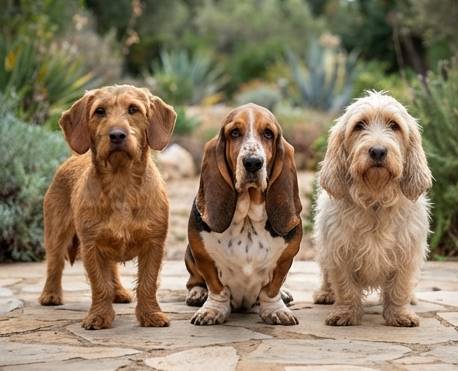
These three small French-origin hounds are frequently confused in searches. Here’s how the Basset Fauve de Bretagne compares to the Basset Hound [Internal Link] and the Petit Basset Griffon Vendéen [Internal Link].
| Attribute | Basset Fauve de Bretagne | Basset Hound | Petit Basset Griffon Vendéen |
| Coat | Coarse, wiry, fawn/wheaten | Short, smooth, tricolor or bicolor | Rough, wiry, various colors |
| Ears | Medium, set high, not overly long | Very long, low-set, pendulous | Medium, set at eye level |
| Build | Compact, agile, moderate leg length | Long body, notably short and heavy-boned legs | Compact, sturdy, moderate leg length |
If the dog you’re picturing has dramatically long, drooping ears and very short legs, that’s the Basset Hound. The Basset Fauve de Bretagne and PBGV are both more moderately built and wire-coated, though the Basset Fauve de Bretagne’s solid fawn coloring sets it apart from the PBGV’s more varied coat colors.
Appearance

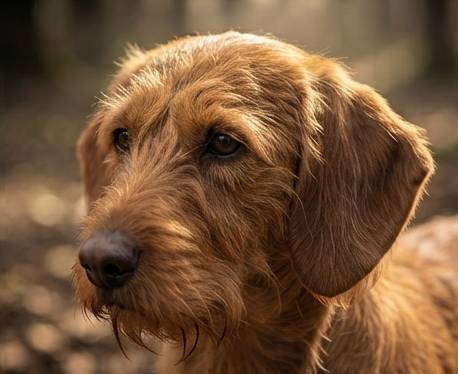
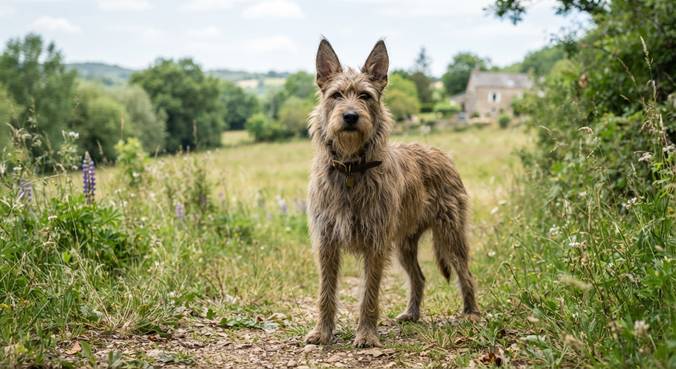
The Basset Fauve de Bretagne has a compact, sturdy build with a coarse, wiry coat in shades of fawn, wheaten, or red wheaten. Unlike the dramatically long-eared, short-legged Basset Hound, this breed has a more moderate build overall, with legs proportioned for genuine agility over rough terrain rather than the exaggerated low-slung silhouette many people associate with the word “basset.”
Temperament
The Basset Fauve de Bretagne is cheerful, intelligent, and eager to please, functioning as a serious, determined hunter in the field while making an affectionate companion at home. The breed is energetic and independent with a strong sense of smell, often displaying real determination once it picks up a scent. Basset Fauve de Bretagnes tend to be reserved with strangers at first but are generally friendly and affectionate with their own families. That combination of working drive and genuine cheerfulness is part of why the breed has historically doubled as both a serious hunting companion and a beloved household pet in France, rather than being kept strictly as a working dog.
Is a Basset Fauve de Bretagne Right for You?


Families and Children
This is generally a good family breed — cheerful, active, and known to get along well with children given the standard supervision any energetic small hound benefits from during play.
Other Pets
Basset Fauve de Bretagnes generally do well with other household pets, particularly other dogs, reflecting their pack-hunting heritage alongside fellow hounds.
First-Time Owners
The breed’s cheerful, biddable nature makes it a reasonably good option for a committed first-time owner, though its strong scenting drive and independent streak when following a trail mean secure fencing and reliable recall training matter from the start.
Training
Basset Fauve de Bretagnes are intelligent and generally eager to please, which makes them more responsive to training than many scent hounds. That said, a strong nose can override obedience in the moment, so consistent recall training and management around off-leash scent opportunities are worth prioritizing early.
Exercise Needs

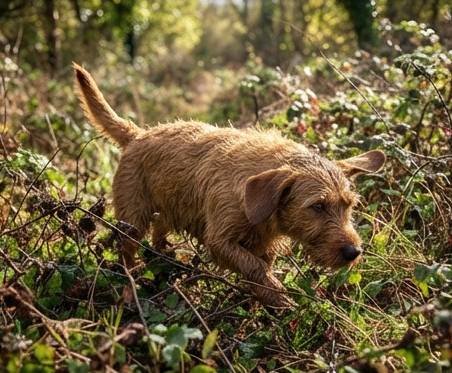
This breed needs a genuine amount of daily exercise for its size — commonly cited guidance suggests around two hours of activity a day, whether that’s walks, active play, or scent-work games that tap into the breed’s hunting instincts. An under-exercised Basset Fauve de Bretagne is more likely to become vocal or find its own entertainment. Scent-based games and nose work in particular tend to tire this breed out mentally in a way plain walking alone doesn’t, since following a trail is close to the breed’s original purpose.
Grooming
The coarse, wiry coat needs regular brushing to stay in good condition and occasional hand-stripping for dogs shown competitively, though a simple trim works fine for pet dogs. Standard nail trims, ear checks, and dental care round out the routine.
Health and Lifespan


Most Basset Fauve de Bretagnes live between 12 and 14 years and are generally considered a healthy breed overall. Still, a few conditions are worth knowing about.
| Condition | What It Is | What Owners Should Watch For |
| Epilepsy | A familial seizure disorder reported in some continental lines | Episodes of disorientation, collapse, or convulsions |
| Intervertebral disc disease | Spinal disc degeneration or herniation | Reluctance to move, back pain, weakness in the hind legs |
| Eye problems | Various inherited eye conditions reported in the breed | Cloudiness, squinting, changes in vision |
Epilepsy [Internal Link] has been reported as a familial issue in some continental European lines, though breed clubs in other countries report cleaner health histories, underscoring the value of asking breeders directly about their lines’ health history. Given the breed’s long body relative to its legs, intervertebral disc disease [Internal Link] is also worth monitoring, particularly as dogs age.
Nutrition
A high-quality, small-to-medium breed active-dog formula suits the Basset Fauve de Bretagne well. Because the breed carries some risk of spinal issues, maintaining a healthy weight is a meaningful, controllable way to reduce unnecessary strain on the back.
Cost and Adoption


Given how genuinely new the Basset Fauve de Bretagne is to the AKC, prospective US owners should expect a real wait and should expect to work with a small number of dedicated breeders, likely requiring travel. Asking about health testing and lineage history is a standard, reasonable part of vetting a responsible breeding [Internal Link] program for this still-establishing breed in the US. Breed-specific rescue is essentially nonexistent given the population size, so most new owners will work directly with breeders through the Basset Fauve de Bretagne Club of America, and joining that community early is genuinely the most realistic path to finding a well-bred puppy while the US population is still small.
Frequently Asked Questions
What is a Basset Fauve de Bretagne?
The Basset Fauve de Bretagne is a small, wire-coated French scent hound from Brittany, developed in the 19th century from the now-extinct Grand Fauve de Bretagne.
When was it recognized by the AKC?
The breed became eligible to compete in the AKC’s Hound Group effective January 1, 2026, making it one of the newest AKC-recognized breeds.
How is it different from a Basset Hound?
The Basset Fauve de Bretagne has a coarse, wiry fawn coat and a more moderate build, while the Basset Hound has a short, smooth coat, dramatically long ears, and notably shorter, heavier legs.
Are they good family dogs?
Yes, generally — they’re cheerful, active, and known to get along well with children and other pets.
What health problems affect the breed?
Epilepsy (in some continental lines), intervertebral disc disease, and various eye conditions are the main concerns reported in the breed.
How much exercise do they need?
A genuine amount for their size — roughly two hours of daily activity is commonly recommended.
How much does a Basset Fauve de Bretagne cost?
Pricing varies, but given how new the breed is to the AKC, prospective owners should expect limited availability and a longer search than with more established Hound Group breeds.
Conclusion
The Basset Fauve de Bretagne carries a genuinely current story: a 19th-century French hunting hound, developed from a now-extinct ancestor, only just becoming eligible to compete in the AKC’s Hound Group as of January 1, 2026. Its cheerful temperament and moderate build make it a rewarding companion for active families — and a fascinating breed to watch as it establishes a foothold in the US for the very first time.