
Chihuahua Guide: Temperament, Weight & Heart Health
Quick Facts
| Attribute | Detail |
| AKC Group | Toy |
| Height | 5–8 inches |
| Weight | Up to 6 lb (per breed standard) |
| Lifespan | 12–18 years |
| Coat | Smooth or long |
| Colors | Any color or pattern |
| Temperament | Confident, alert, loyal |
The Chihuahua is the smallest dog breed in the world, but its personality has never gotten the memo. Confident, alert, and famously loyal to the people it bonds with, this tiny Mexican breed packs an outsized presence into a body that can weigh less than a housecat. That same extreme miniaturization, though, is exactly why prospective owners need clear, honest information about the breed’s real health risks, from juvenile hypoglycemia to the “teacup” marketing that has made those risks worse for some dogs.

History: From the Techichi to the World’s Smallest Breed
The Chihuahua takes its name from the Mexican state of Chihuahua, where 19th-century travelers first documented small, alert companion dogs being sold to American visitors near the U.S. border. Historians generally connect the breed, though not with absolute certainty, to the Techichi, a small companion dog kept by pre-Columbian civilizations in the region centuries earlier; archaeological and historical evidence supports a plausible lineage, but the exact path from Techichi to modern Chihuahua isn’t fully documented, and reputable breed historians are careful to describe the connection as likely rather than proven.
What is well documented is the breed’s path into the American Kennel Club. Chihuahuas began appearing in the United States in the late 1800s, brought north by travelers and traders, and their small size and striking alertness made them popular companion dogs relatively quickly. The AKC recognized the breed in 1904, making it one of the older toy breeds in the registry. Early breeders worked to standardize a compact, square-proportioned dog with a rounded skull and large eyes, refining the type that would eventually become the internationally recognized standard.
The breed’s extreme portability and outsized personality made it a natural fit for companionship in increasingly urban, apartment-based households through the 20th century, and its popularity has held remarkably steady since. Few breeds carry as direct a national identity in their name, and that Mexican heritage remains a genuine point of pride for breed historians and owners alike, distinct from the sometimes cartoonish pop-culture image the breed has picked up along the way.
That pop-culture image is worth addressing directly, since it shapes buyer expectations more than most breed histories do. Decades of movie and advertising appearances have cast the Chihuahua as either an accessory or a punchline, a framing that undersells a genuinely intelligent, alert, historically significant breed with a documented lineage stretching back further than almost any other toy breed in the AKC registry. Understanding the real history helps set more realistic expectations than the caricature does.
Apple Head vs. Deer Head: Understanding Skull Shape
Chihuahua owners and buyers frequently encounter two informal terms describing skull shape: “apple head” and “deer head.” The apple head, with its rounded, domed skull and a clearly defined stop (the indentation between the forehead and muzzle), is the type described by the AKC breed standard. The deer head type has a flatter skull, a longer muzzle, and a less pronounced stop, giving it a face that more closely resembles a small deer. Deer-head Chihuahuas aren’t a separate breed and aren’t necessarily unhealthy, but they fall outside the conformation show standard, which matters mainly to buyers specifically seeking a show-quality or standard-conforming dog rather than a companion pet.
One structural note worth knowing regardless of skull type: many Chihuahua puppies, apple-head types especially, are born with a molera, a soft spot on top of the skull where the bones haven’t fully fused, similar to a human infant’s fontanel. Most moleras close substantially as the dog matures, though some Chihuahuas retain a small, permanent soft spot into adulthood. Concrete handling guidance matters here: avoid pressing on or applying force to the top of the skull, be mindful during play and handling with young children, and mention any known molera to your veterinarian so it can be factored into routine exams.
The “Teacup” Chihuahua: What Buyers Should Actually Know
The term “teacup,” applied to Chihuahuas and several other small breeds, is not an official size classification recognized by the AKC or any legitimate breed standard. It generally refers to dogs deliberately bred below the standard’s already-small weight range, sometimes by prioritizing the runts of litters or dogs with health conditions that stunted their growth. This distinction matters because it isn’t just marketing language, it’s connected to real, elevated health risk. Dogs bred to be significantly smaller than the standard face a meaningfully higher risk of juvenile hypoglycemia, organ and skeletal fragility, dental crowding severe enough to cause chronic problems, and in many documented cases a shorter lifespan than standard-sized Chihuahuas.
For buyers, the practical guidance is straightforward: treat “teacup” as a red flag warranting real scrutiny rather than a premium feature worth paying extra for. A responsible breeder should be transparent about a puppy’s expected adult weight relative to the standard range, should not market extreme smallness as inherently desirable, and should be willing to discuss the specific health monitoring a smaller-than-standard puppy will need. Buyers drawn to a very small Chihuahua should go in with clear eyes about the added veterinary vigilance that dog will likely require throughout its life.
Chihuahua vs. Toy Poodle vs. Small Companion Breeds
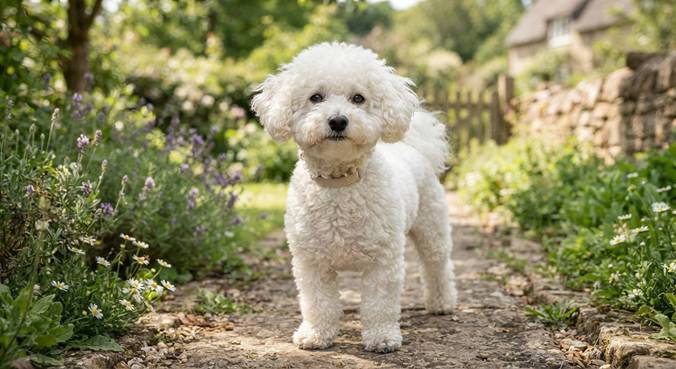
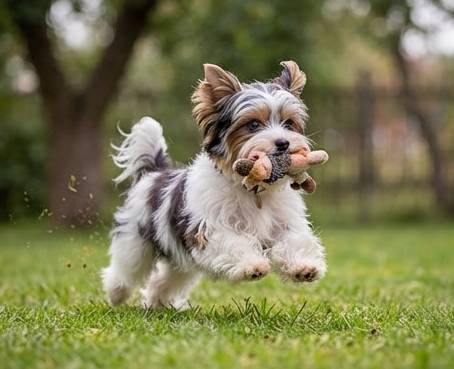
Buyers comparing the smallest companion breeds often look at the Poodle‘s Toy variety, the Bichon Frise, and the Biewer Terrier alongside the Chihuahua. All are small, people-oriented companion breeds, but they differ meaningfully in coat maintenance, size-class weight range, and hypoallergenic potential.
| Attribute | Chihuahua | Toy Poodle | Bichon Frise |
| Origin | Mexico | Germany/France | France |
| Weight | Up to 6 lb | 4–6 lb | 12–18 lb |
| Coat | Smooth or long | Dense, curly, hypoallergenic | Curly, low-shedding |
| Grooming | Low to moderate | High | High |
| Temperament | Confident, alert, loyal | Alert, highly trainable | Cheerful, affectionate |
Appearance
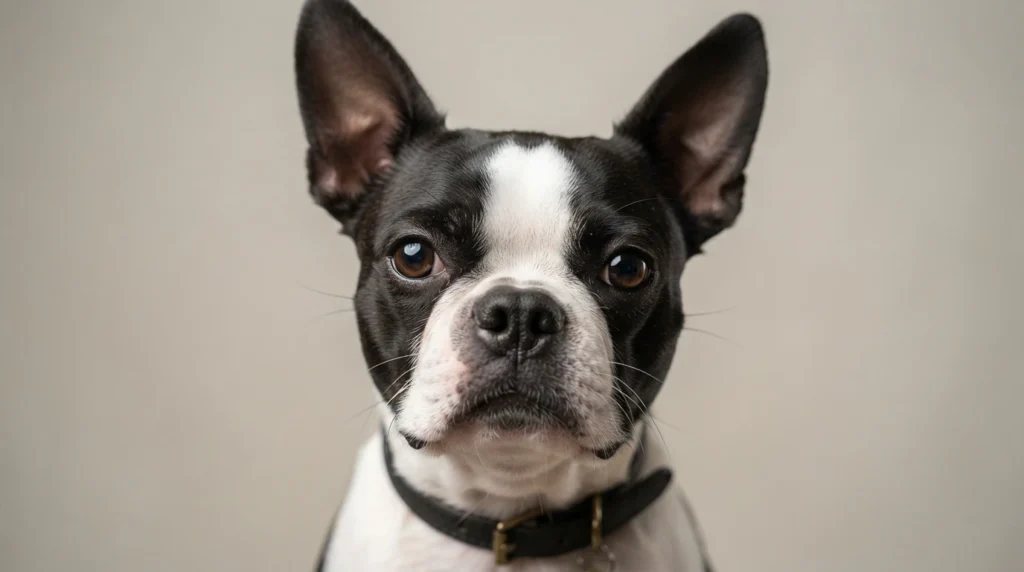
The Chihuahua is a compact, square-proportioned dog, weighing up to 6 pounds per the breed standard, with large, round, expressive eyes and erect ears that give it a famously alert expression. The coat comes in two varieties, smooth and long, and either can appear in any color or pattern, giving the breed enormous visual variety from dog to dog. Despite the tiny frame, a well-conditioned Chihuahua should look sturdy and balanced rather than fragile or exaggerated.
Temperament
Chihuahuas are confident, alert, and deeply loyal, often forming an especially strong bond with one particular person in the household. That devotion is one of the breed’s most endearing traits, but it can also translate into wariness toward strangers and other dogs, particularly much larger ones, if the puppy isn’t properly socialized early on. Far from timid, most Chihuahuas carry themselves with a self-assurance well out of proportion to their size, a trait owners often describe as “big dog energy in a small dog body.”
Is a Chihuahua Right for You?
The Chihuahua adapts well to apartment living and makes an outstanding companion for owners who want a deeply bonded, portable dog. Its tiny size makes it genuinely fragile around very young children and larger dogs who may not recognize how easily it could be injured during normal play, so supervision and careful introductions matter more with this breed than with most. Cold sensitivity is another real consideration, especially for smooth-coat individuals, given how little body mass the breed has to retain heat. For owners who want an intensely loyal, low-exercise, highly portable companion and can commit to gentle handling and appropriate cold-weather precautions, the Chihuahua is an excellent match.
Training
Chihuahuas are intelligent but can be strong-willed, and early, consistent socialization is especially important given the breed’s tendency toward wariness with strangers and other dogs. Positive-reinforcement methods work well, and housebreaking, as with many toy breeds, can take real patience and consistency in the early months.
Exercise Needs
Modest exercise needs suit most Chihuahua owners: short walks and indoor play are generally sufficient to keep the breed content and fit. Cold-weather precautions matter more for this breed than most, given its small body mass and, in smooth-coat individuals, minimal natural insulation; a sweater or coat during cold outings is a practical, common accommodation rather than an indulgence.
Grooming
Smooth-coat Chihuahuas are low-maintenance, needing only occasional brushing. Long-coat individuals require more regular brushing, generally a few times a week, to prevent matting. Dental care deserves particular attention in this breed given how much crowding a Chihuahua’s small jaw creates; regular brushing and professional cleanings meaningfully reduce the risk of periodontal disease down the line.
Health and Lifespan: Hypoglycemia, Heart, and Skull Considerations

Juvenile hypoglycemia, a dangerous drop in blood sugar, is one of the most important health risks specific to Chihuahua puppies and very small adults, driven directly by how little glycogen reserve a body this small can store. [FUTURE LINK: canine toy-breed hypoglycemia/fragility health guide] The most actionable prevention is feeding frequency: puppies and especially small or “teacup”-sized individuals generally need several small meals spread throughout the day rather than one or two large ones, and any lethargy, weakness, trembling, or disorientation warrants immediate attention, since hypoglycemic episodes can become medical emergencies quickly if untreated.
Mitral valve disease is a leading cause of death in aging small breeds generally, and the Chihuahua carries a real, breed-relevant risk that deserves ongoing monitoring rather than a one-time mention. The condition involves progressive degeneration of the heart’s mitral valve, eventually leading to a heart murmur detectable on veterinary exam, and in more advanced cases, coughing, exercise intolerance, and labored breathing. Annual veterinary cardiac checks, including auscultation for early murmurs, give owners the best chance of catching the condition while it’s still manageable through medication and monitoring rather than a full-blown crisis.
Beyond the heart, the molera discussed earlier requires ongoing gentle handling awareness, and patellar luxation, a kneecap that slips out of its normal groove, appears in the breed at a meaningful rate, ranging from a minor occasional issue to one requiring surgical correction. Dental crowding, a near-universal small-jaw consideration in this breed, raises periodontal disease risk without consistent home and professional dental care. With attentive management across these known risk areas, Chihuahuas commonly live 12 to 18 years, one of the longest lifespans of any dog breed.
Owners comparing risk profiles across small toy breeds sometimes ask how the Chihuahua stacks up against other tiny companion dogs like the Pomeranian [FUTURE LINK: Pomeranian breed guide] or Yorkshire Terrier [FUTURE LINK: Yorkshire Terrier breed guide], both of which share some overlapping small-breed health considerations, including patellar luxation and dental crowding, despite very different coat types and origins. The common thread across all of these breeds is that small size itself, not any single defect, is what drives many of these shared risk factors, which is exactly why attentive, breed-informed veterinary care matters so much for toy breeds generally.
Nutrition
Toy-breed feeding guidance applies, with particular emphasis on meal frequency for puppies and very small adults given the hypoglycemia risk discussed above. Several small meals spread across the day, rather than one or two large ones, is the standard, actionable recommendation for reducing that risk, alongside close attention to body condition since even small amounts of excess or insufficient weight matter disproportionately on a frame this size.
Cost and Adoption
A Chihuahua puppy from a reputable, health-tested breeder typically costs $800 to $2,000, though buyers should be cautious of significantly inflated pricing tied to “teacup” marketing, which often reflects extreme miniaturization rather than genuine added value. Annual costs, including food, routine veterinary care, and grooming, generally run $700 to $1,500, with cardiac monitoring and dental cleanings representing two of the more consistent recurring expenses given the breed’s known risk areas. Buyers should budget realistically for veterinary care from the outset, since a breed with this level of miniaturization tends to need more frequent, more attentive monitoring than a structurally average dog.
Common Buyer Mistakes
- Seeking out “teacup” sizing without understanding the health tradeoffs. Extreme smallness isn’t a premium feature; it’s a genuine risk factor for hypoglycemia, fragility, and shortened lifespan.
- Underfeeding puppies and risking hypoglycemia. Toy-breed puppies need frequent small meals, not adult-style feeding schedules; skipping meals can trigger a dangerous blood-sugar crash.
- Rough handling given molera fragility. The soft spot on a puppy’s skull requires gentle handling awareness, especially around young children who may not understand the risk.
- Skipping early socialization. The breed’s tendency toward wariness with strangers and larger dogs is best managed proactively, not after problem behavior has already developed.
FAQ
Are Chihuahuas hypoallergenic?
No dog is fully hypoallergenic, and the Chihuahua’s smooth or long coat sheds at a fairly typical rate for a small breed, so it isn’t generally recommended as a top choice for allergy-sensitive households.
What is a teacup Chihuahua?
“Teacup” isn’t an official size classification. It refers to dogs bred below the standard’s weight range, and it’s associated with real elevated health risk, including hypoglycemia, fragility, and often a shorter lifespan.
Why is my Chihuahua shivering?
Shivering can reflect cold sensitivity, given the breed’s small body mass, or excitement and stress, both common in this breed. Persistent shivering alongside lethargy or weakness could indicate hypoglycemia and warrants veterinary attention.
Apple head vs deer head — what’s the difference?
Apple head describes the rounded skull with a defined stop matched to the AKC breed standard; deer head describes a flatter skull and longer muzzle outside the show standard. Neither is inherently unhealthier than the other.
Are Chihuahuas good with kids?
Their small size makes supervision essential, especially with very young children, since the breed is genuinely fragile and can be injured by rough handling more easily than a larger dog.
What health problems are Chihuahuas prone to?
The main areas of concern are juvenile hypoglycemia, mitral valve heart disease, molera (open skull fontanel), patellar luxation, and dental crowding. Regular veterinary checkups, including cardiac monitoring, help catch these early.
How long do Chihuahuas live?
With attentive care, Chihuahuas commonly live 12 to 18 years, among the longest lifespans of any dog breed.
Conclusion
The Chihuahua proves that personality isn’t measured in pounds. This tiny, confident, deeply loyal breed carries a genuine Mexican heritage and a well-earned reputation as one of the most devoted companion dogs around. Its extreme miniaturization, though, comes with real health considerations, hypoglycemia risk, heart disease, and skull fragility chief among them, that deserve honest attention rather than being brushed aside in favor of “teacup” marketing appeal. For owners willing to plan around those known risk areas with proper feeding, gentle handling, and regular veterinary care, the Chihuahua offers an outsized amount of loyalty and companionship in the smallest possible package.