Border Collie: The Complete Guide to the World’s Most Trainable Working Dog
Ask almost any trainer, veterinarian, or canine researcher to name the smartest dog breed, and the Border Collie comes up almost immediately. That reputation isn’t marketing copy; it’s backed by a documented university study on a single dog’s vocabulary and a founding pedigree that traces back to one specific sheepdog born in 1893. This guide covers where the Border Collie actually comes from, what the intelligence claims really mean, and the honest truth about how much a household needs to offer this breed before bringing one home.
Border Collie Quick Facts
The Border Collie is a medium-sized working sheepdog developed in the border region between England and Scotland, bred specifically for herding ability rather than appearance.
| Attribute | Detail |
| AKC Group | Herding Group (recognized 1995) |
| Country of Origin | England/Scotland border region |
| Height | 18-22 in |
| Weight | 30-45 lb |
| Lifespan | 12-15 years |
| Coat | Double coat, smooth or rough |
| Colors | Black and white most common; also red, blue, merle, and other combinations |
| Temperament | Highly intelligent, energetic, alert, work-driven |
What Is a Border Collie?
From Old Hemp to the Modern Working Sheepdog
Nearly every purebred Border Collie alive today traces its ancestry back to a single dog: Old Hemp, a tricolor sheepdog born in Northumberland, England, in September 1893, bred by Adam Telfer from a black-and-tan dog named Roy and a strong-eyed, black-coated dog named Meg. Hemp had a quiet, powerful working style that sheep responded to easily, and that style became the template for what the breed is today. He was bred extensively during his working life, siring more than 200 pups, and his influence on the modern Border Collie’s herding style is difficult to overstate. Few dog breeds anywhere can point to this kind of single-sire documented pedigree, which gives the Border Collie an unusually traceable working lineage compared to most companion or even other working breeds.
The International Sheep Dog Society and the AKC Divide
The term “Border Collie” was first used in 1915 by James Reid, secretary of the newly formed International Sheep Dog Society (ISDS), specifically to distinguish this working strain from other collie types. The ISDS, founded in 1906, registered Old Hemp posthumously as ISDS 9 and built its registry and trial system entirely around working ability rather than appearance. The American Kennel Club didn’t recognize the Border Collie until 1995, basing its standard on the UK Kennel Club’s conformation standard, and that recognition was met with real, documented opposition from the ISDS and the American Border Collie Association.
| Key Fact Nearly every purebred Border Collie alive today traces its ancestry back to Old Hemp, born in 1893, and the ISDS registered him posthumously as ISDS 9. |
Their concern wasn’t reflexive gatekeeping: both organizations existed specifically to preserve and improve the breed’s herding ability, and they worried, with some justification, that breeding toward a conformation standard rather than working performance would gradually dilute the trait that made the breed valuable in the first place. That tension between working-line and show-line Border Collies persists today, and prospective owners researching breeders should understand which tradition a given line comes from.
Border Collie vs. Australian Shepherd vs. Bearded Collie
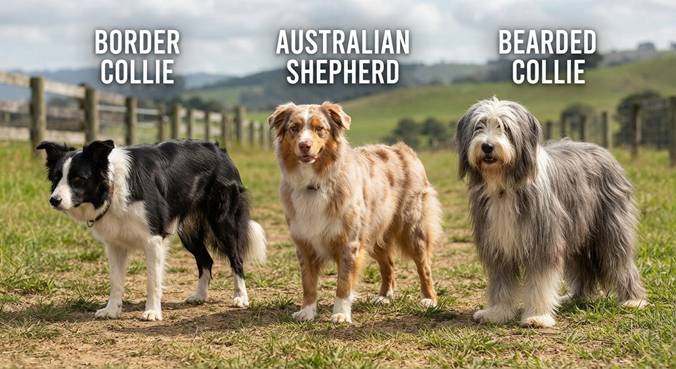
The Border Collie shares herding-breed space with several visually or functionally similar dogs, including the Australian Shepherd and the Bearded Collie, and understanding the real differences helps clarify what makes this breed distinct.
| Attribute | Border Collie | Australian Shepherd | Bearded Collie |
| Working Style | Intense “eye” – stalks and stares to control stock | Loose-eyed, more direct, often nips/heels | Upright, bark-and-bustle droving style |
| Coat | Smooth or rough double coat | Medium double coat, often merle | Long, shaggy double coat |
| Origin | England/Scotland border | Western United States (Basque/Spanish roots) | Scotland |
| Primary Distinguishing Trait | Intense stalking “herding eye” and top-tier documented trainability | High energy with a slightly more independent streak | Shaggy coat and looser, more upright droving style |
Just How Smart Is a Border Collie? The Chaser Study

The “smartest dog breed” claim gets repeated constantly, but the actual evidence behind it is more specific and more interesting than most casual mentions suggest. In canine researcher Stanley Coren’s widely cited intelligence rankings, Border Collies topped the working/obedience intelligence category, learning new commands in fewer than five repetitions and obeying known commands roughly 95% of the time. The more striking evidence comes from a single dog: Chaser, a Border Collie owned by psychologist Dr. John Pilley of Wofford College, learned the names of more than 1,000 individual toys and could fetch specific ones on command.
Chaser’s case went further than simple memorization, though: she demonstrated an understanding of basic sentence structure, correctly distinguishing between commands where the same words appeared in a different order, evidence of a level of language comprehension rarely documented in a non-primate species. That’s a meaningfully different claim than “very smart dog,” and it’s worth citing specifically rather than repeating the vague superlative alone.
Appearance
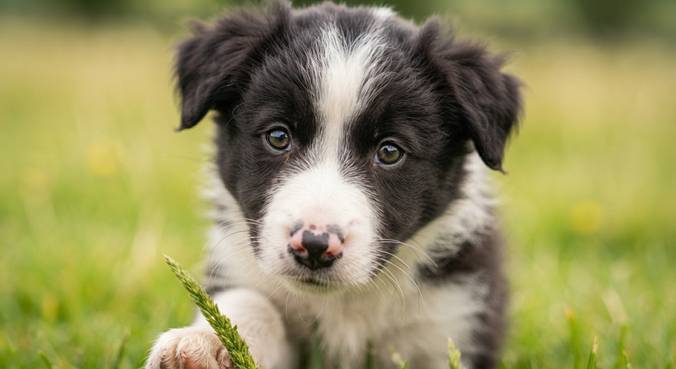
The Border Collie is a medium-sized, athletically built dog with an alert, intelligent expression and a double coat that comes in either a smooth or rough (longer-feathered) variety. Black and white is the most recognized color pattern, though the breed standard permits a wide range of colors and patterns, including red, blue, and merle. The overall build favors efficient, tireless movement over the endurance-focused herding work the breed was created for, rather than any particular showring silhouette.
Temperament and the “Herding Eye”
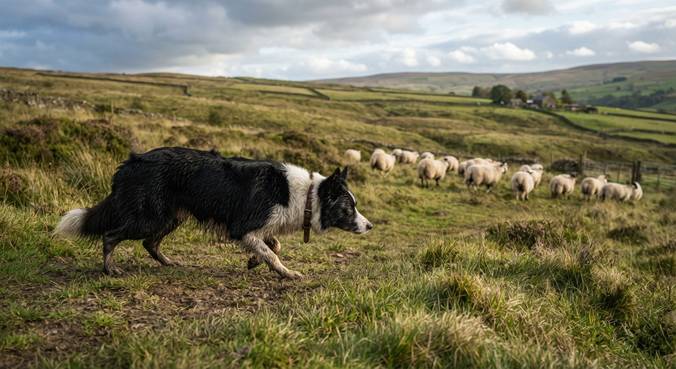
Through generations of selective breeding for herding ability, the Border Collie developed a distinctive behavior called the “herding eye”: an intense, low, stalking gaze used to control and move livestock without physical contact. In a pet home without sheep to herd, that same instinct often redirects toward whatever moves, joggers, cyclists, children, other pets, sometimes producing an intense stare, close following, or a gentle nip meant to redirect movement rather than cause harm. This isn’t misbehavior in the traditional sense; it’s a genuine working instinct expressing itself without an outlet, similar in root cause to the intense drive seen in other high-energy herding and working breeds like the Belgian Malinois, and understanding that distinction matters for how an owner responds to it.
Is a Border Collie Right for You?
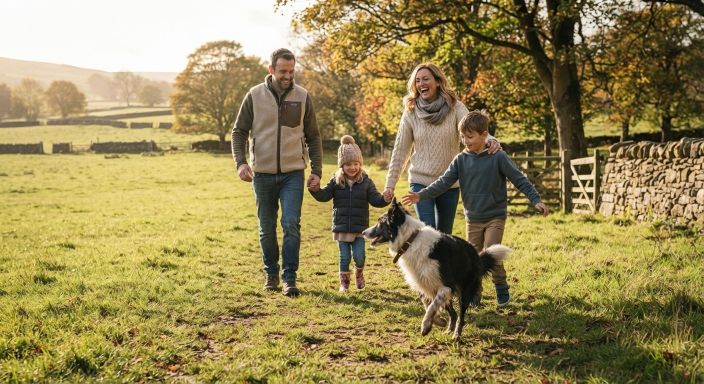
Families and Children
Border Collies can do well in families that understand and accommodate the breed’s herding instinct, but the nipping-and-following behavior directed at running children needs active management and redirection rather than being mistaken for aggression. Households with very young children should supervise interactions and give the dog structured outlets so herding instinct doesn’t default to chasing kids around the yard.
Households Without Enough Time or Space
This is the section prospective owners most need to read honestly: a Border Collie without adequate daily exercise and, just as importantly, mental stimulation, does not simply become a calm, low-key pet. Under-stimulated Border Collies commonly develop real behavioral problems, destructive chewing, obsessive light or shadow chasing, excessive barking, and repetitive pacing, that stem directly from an unmet working drive rather than a training failure. This breed genuinely does not suit apartment living without a serious, consistent exercise and enrichment plan, and prospective owners who can’t offer significant daily time and activity should honestly consider a lower-drive breed instead.
Training
Border Collies are exceptionally responsive to training, often ranked at or near the top of every canine trainability study for good reason, and they thrive on structured, engaging sessions that give their working mind something genuine to solve. Positive reinforcement methods work extremely well with this breed, and short, varied training sessions tend to hold their attention better than long repetitive drilling. Early socialization and structured outlets for the herding instinct, redirecting it toward appropriate games rather than suppressing it entirely, produce the best long-term behavioral results.
Exercise Needs
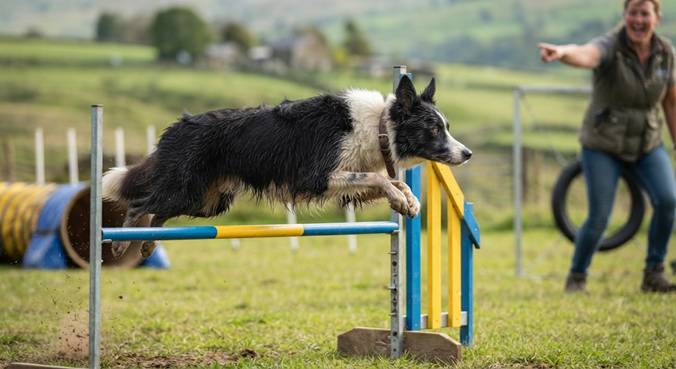
Border Collies need substantial daily exercise, generally well over an hour of vigorous activity, combined with genuine mental stimulation such as puzzle toys, scent work, or structured training sessions. Dog sports like agility, flyball, and herding trials give this breed exactly the kind of purposeful, structured outlet it was bred for, and owners who compete in these sports consistently describe them as transformative for a Border Collie’s overall behavior and contentment. Physical exercise alone isn’t enough for this breed; the mental component matters just as much, and skipping it is one of the most common reasons Border Collies develop the behavioral problems described above.
Grooming
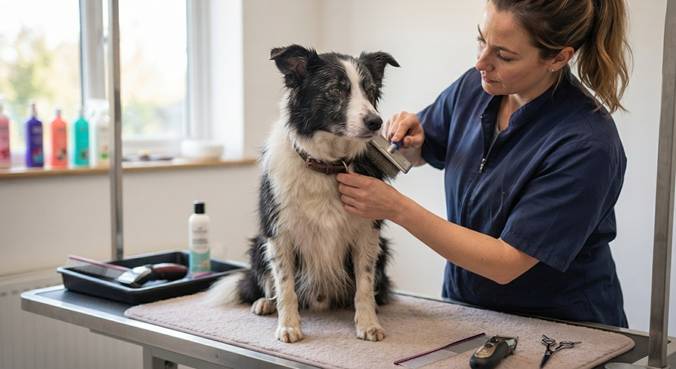
Border Collies have a double coat, either smooth or rough, that sheds seasonally and requires regular brushing, generally two to three times a week, to manage loose undercoat and prevent matting, especially in the rough-coated variety. Routine nail trims, ear checks, and dental care round out a straightforward broader grooming routine; this is not a high-maintenance coat by working-breed standards, but the seasonal shedding is genuinely heavy and worth planning for.
Health and Lifespan
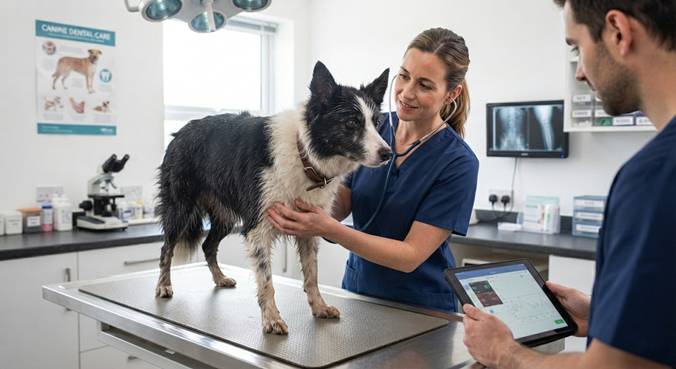
Border Collies typically live 12 to 15 years and are considered a generally healthy breed, particularly working lines that have been bred under performance-focused selection pressure for generations.
| Condition | What It Is | What Owners Should Watch For |
| Hip dysplasia | Abnormal hip joint development that can lead to arthritis | Reluctance to jump or climb stairs, altered gait |
| Collie eye anomaly | An inherited eye condition affecting the retina and surrounding tissue | Best identified through breeder eye screening rather than visible symptoms |
| Epilepsy | A neurological condition causing recurring seizures | Sudden collapse, muscle twitching, disorientation |
| Hypothyroidism | An underactive thyroid gland affecting metabolism | Weight gain, lethargy, coat thinning |
The American Border Collie Association recommends screening breeding stock for hip dysplasia, collie eye anomaly, and epilepsy, and prospective buyers should ask any breeder directly for current certifications before committing to a puppy.
Nutrition
A high-quality diet formulated for active, medium-sized dogs suits the Border Collie’s genuinely high energy output well, and working or highly active individuals may need meaningfully more calories than the standard feeding guidelines on a typical bag of dog food suggest. Portion control still matters for less active pet-home Border Collies, since this breed can gain weight if calorie intake isn’t adjusted to match actual activity level.
Cost and Adoption
Border Collie puppies from reputable breeders typically range from $800 to $2,500 depending on lineage, with working-line dogs from proven herding pedigrees sometimes commanding higher prices than show-line puppies. Annual ownership costs, including food, routine veterinary care, and the enrichment toys or activity classes this breed genuinely needs, generally run $1,200 to $2,000. Border Collie rescue organizations are active across the US and frequently have adult dogs available, often a good option for experienced owners who can meet the breed’s activity needs without the higher-energy demands of puppyhood.
Frequently Asked Questions
What is a Border Collie bred for?
Herding sheep. The breed was developed specifically in the England-Scotland border region for working livestock, and that working drive still shapes its behavior in pet homes today.
Are Border Collies the smartest dog breed?
By several measures, yes. Stanley Coren’s research ranks them at the top of working/obedience intelligence, and a Border Collie named Chaser demonstrated an understanding of over 1,000 words and basic sentence structure in a documented university study.
Are Border Collies good family dogs?
Often yes, in families that understand and manage the breed’s herding instinct, including redirecting nipping or chasing behavior around running children.
How much exercise does a Border Collie need?
Well over an hour of vigorous daily exercise, combined with genuine mental stimulation; physical activity alone isn’t sufficient for this breed.
Why do Border Collies nip and stare?
Both behaviors stem from the “herding eye” and herding instinct, an intense working drive to control movement that, without livestock, often redirects toward children, joggers, or other pets.
What health problems are common in Border Collies?
Hip dysplasia, collie eye anomaly, epilepsy, and hypothyroidism are the most commonly documented concerns, most manageable with proper breeder screening and veterinary care.
How much does a Border Collie cost?
Puppies from reputable breeders typically range from $800 to $2,500, with annual ownership costs generally running $1,200 to $2,000.
Conclusion
The Border Collie’s reputation as the world’s smartest dog breed rests on genuinely documented evidence, a traceable working pedigree back to Old Hemp, and a level of trainability that makes it exceptional at structured work. That same intensity means this breed asks a lot of its household: real daily exercise, real mental engagement, and an owner willing to give its herding instinct a legitimate outlet. Owners who can meet that bar tend to describe the Border Collie as the most rewarding, capable dog they’ve ever owned.