American Pit Bull Terrier: The Complete, Fact-Based Guide
American Pit Bull Terrier
Few breeds generate as much confusion, debate, and outright misinformation as the American Pit Bull Terrier. Part of that confusion starts with a basic fact many people don’t realize: the American Kennel Club doesn’t recognize this breed at all, while a separate registry, the United Kennel Club, has recognized it since 1898. This guide cuts through the noise with sourced facts on registry status, temperament data, health, and the practical realities of breed-specific legislation and insurance, so you can make an informed decision grounded in evidence rather than reputation alone.
American Pit Bull Terrier Quick Facts
This breed belongs to the broader Terriers & Dynamic Dogs [Internal Link] family of high-drive, purpose-bred working dogs, though its own registry story sets it apart from most of its relatives.
| Attribute | Detail |
| Registry Status | Recognized by UKC (since 1898) and ADBA; not recognized by AKC or FCI |
| Country of Origin | United States (developed from English bull-and-terrier stock) |
| Height | 17–21 in at the shoulder |
| Weight | 30–65 lb (approximate; no single standardized AKC-style range exists) |
| Lifespan | 10–14 years |
| Coat | Short, smooth, low-maintenance |
| Colors | Any color or pattern accepted under UKC standard |
| Temperament | Strong, confident, eager to please, dog-selective |
What Is an American Pit Bull Terrier?
Bull-and-Terrier Origins
The American Pit Bull Terrier descends from 19th-century English “bull-and-terrier” dogs, crosses between bulldogs and terriers originally developed for blood sports that were later outlawed. Immigrants brought these dogs to the United States, where breeders continued developing the line for farm work, hunting vermin, and, in the breed’s early history, organized dogfighting — a practice that is now illegal and widely condemned, and one the modern breed community and major welfare organizations actively work against. The United Kennel Club formally recognized the breed under the name American Pit Bull Terrier on February 10, 1898, becoming the first registry to do so and classifying it among the Terrier Group [Internal Link] breeds it registers. That distinction matters more than it might seem: it means the APBT has a continuous, documented registry history stretching back well over a century, even though that history unfolds outside the AKC entirely.
Why the AKC Doesn’t Recognize This Breed
This is one of the most commonly searched, least clearly answered questions about the breed. In 1936, roughly 50 dogs from UKC bloodlines were entered into the AKC stud book under a different name: Staffordshire Terrier. In 1972, the AKC renamed that breed the American Staffordshire Terrier [Internal Link], a change made specifically to formally separate the AKC-recognized line from the American Pit Bull Terrier. As a result, the AKC has never recognized a breed called “American Pit Bull Terrier,” even though the American Staffordshire Terrier shares significant ancestry with it. The FCI similarly does not recognize the American Pit Bull Terrier, citing the controversy tied to the breed’s history with dogfighting as its stated reason. Understanding this split is the single most useful piece of context for anyone trying to make sense of the breed’s reputation and paperwork alike.
American Pit Bull Terrier vs. Related Breeds
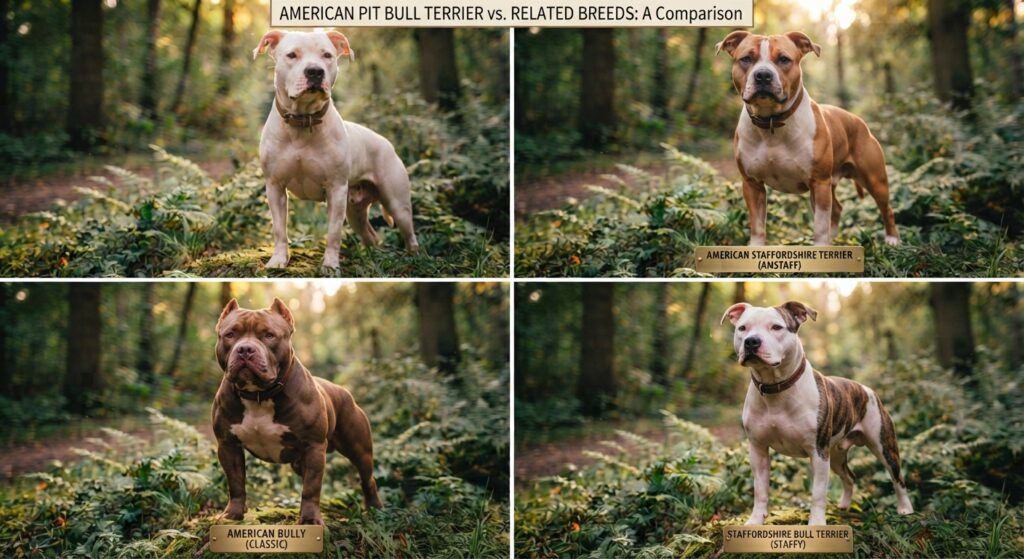
The registry split above is only part of why this breed gets confused with its close relatives, including the American Bully [Internal Link]. Here’s how the three most commonly mixed-up breeds compare.
| Attribute | American Pit Bull Terrier | American Staffordshire Terrier | American Bully |
| Registry Status | UKC, ADBA (not AKC/FCI) | AKC-recognized | UKC-recognized (2013) |
| Typical Size | 30–65 lb | 40–70 lb, generally stockier | Varies by size class; often more heavily muscled/compact |
| Origin/Purpose | Farm work, vermin hunting; historical blood-sport ancestry | Formally separated from APBT lineage by AKC in 1972 | Developed later from APBT/Staffordshire lines for a more companion-focused build |
Appearance
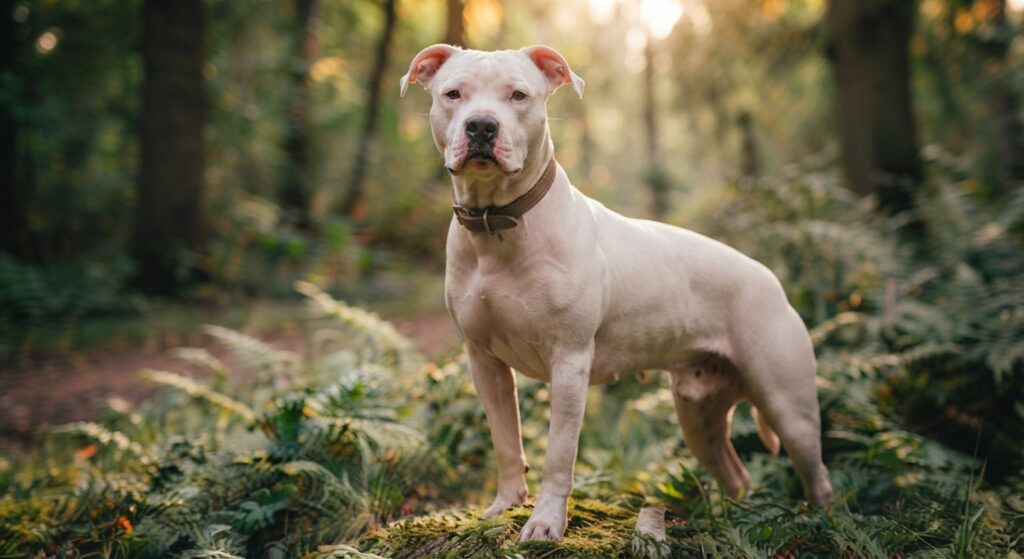
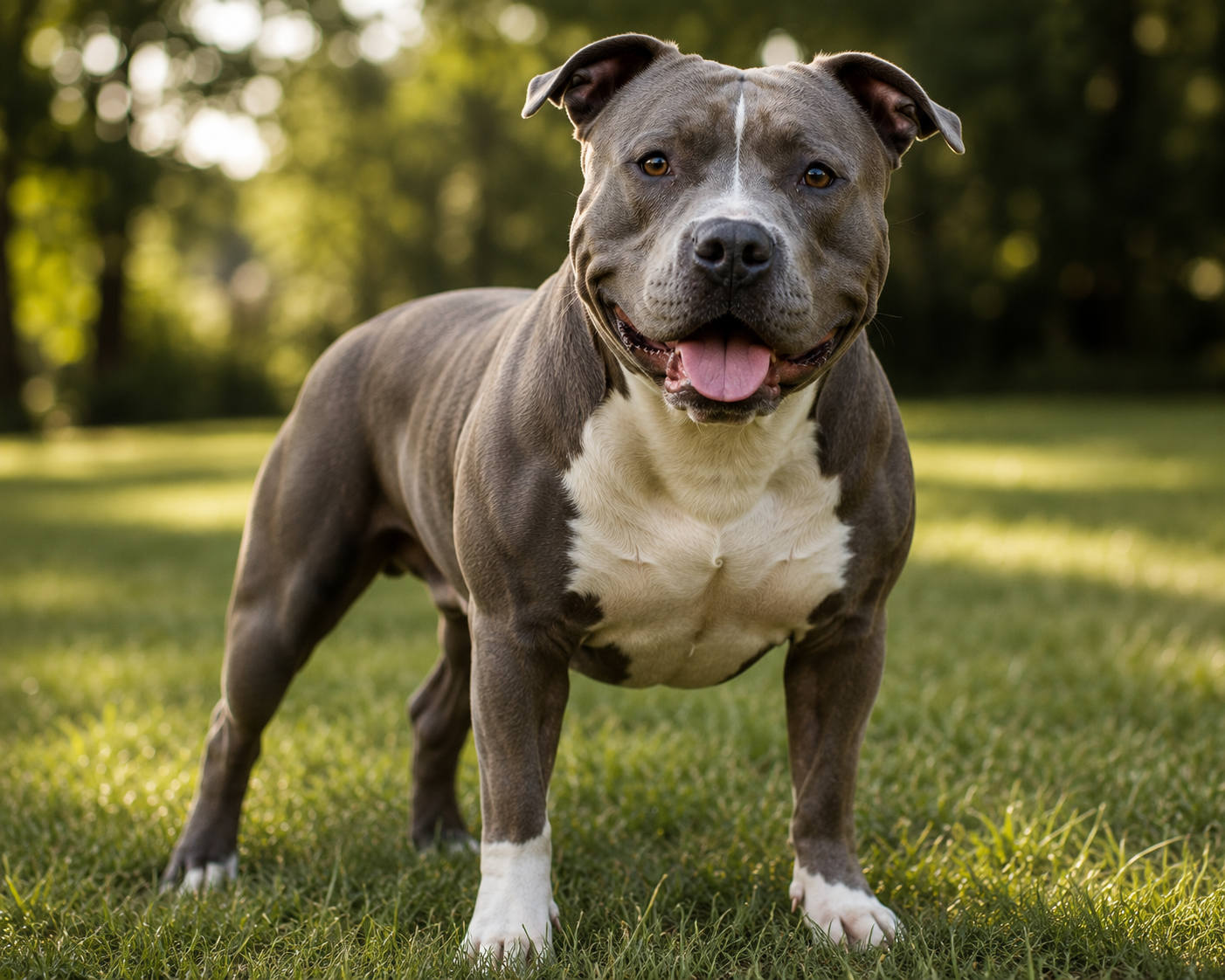
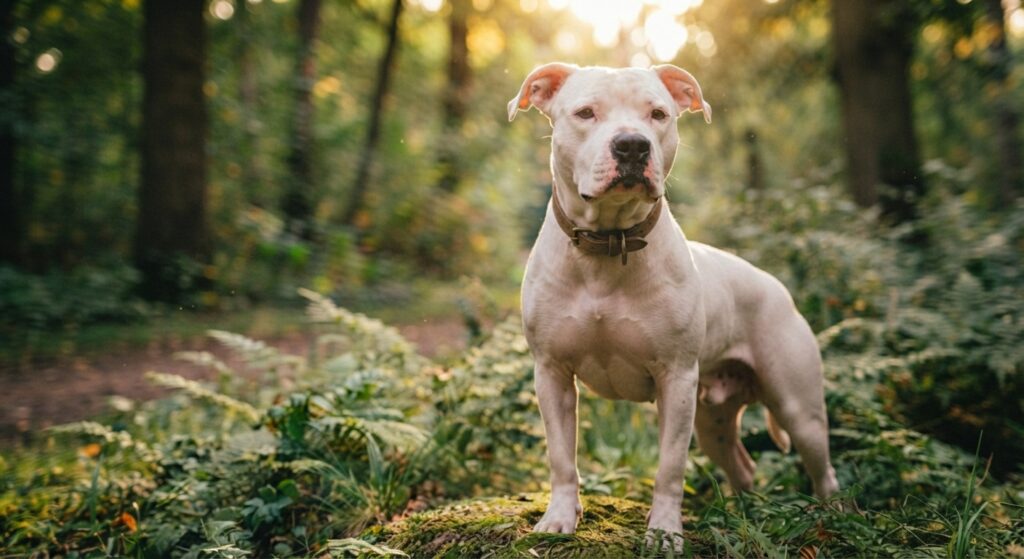
The American Pit Bull Terrier is a medium-to-large, muscular, athletic dog with a broad head, well-defined jaw, and a short, smooth, low-maintenance coat. The UKC standard accepts any color or color pattern, so appearance varies considerably from dog to dog beyond the shared muscular build.
Temperament: What the Data Actually Shows
The UKC’s own breed standard describes the American Pit Bull Terrier’s essential characteristics as strength and confidence, noting the breed is “eager to please and brimming over with enthusiasm.” Critically, the standard explicitly states that aggressive behavior toward humans is uncharacteristic of the breed and highly undesirable. A well-bred, properly socialized APBT isn’t supposed to function as a guard dog, precisely because excessive wariness of people runs counter to what the standard is describing.
Dog-selectivity is a separate, real consideration: many individual APBTs don’t get along well with unfamiliar dogs, which is a distinct trait from aggression toward people and one that owners should plan around with proper introductions and ongoing management rather than treat as a character flaw. On formal temperament testing, pit bull-type dogs have historically scored pass rates through the American Temperament Test Society (ATTS) comparable to or higher than several widely popular breeds. Because ATTS updates its data over time, readers researching current statistics should check atts.org directly rather than treat any single figure as permanent — a good habit for evaluating breed-temperament claims generally, not just for this breed.
Is an American Pit Bull Terrier Right for You?
Responsible Ownership
Because of the breed’s strength, athleticism, and the practical realities described below, responsible ownership here means the standard rather than the exception: early and ongoing socialization, structured obedience training, secure containment, and a leash and fencing setup suited to a genuinely strong dog.
Families and Children
Breed clubs and rescue organizations frequently describe APBTs as affectionate and good with children when well-socialized, a reputation with real historical roots. As with any breed, supervision during play with young children and teaching kids appropriate interaction remain standard, sensible precautions rather than something unique to this breed.
Other Dogs
Given the breed’s documented tendency toward dog-selectivity, careful, gradual introductions to unfamiliar dogs and thoughtful management in multi-dog situations matter, even when a given APBT is entirely reliable with people.
Breed-Specific Legislation and Insurance
Practical Note: Breed-specific legislation restricting or banning pit bull-type dogs exists in numerous countries and some US cities and counties, and many homeowners and renters insurance policies exclude the breed by name or charge higher premiums. Before bringing one home, check your local and state laws directly, review your lease or HOA policies if applicable, and shop insurance carriers specifically, since coverage and restrictions vary significantly by location and provider.
Training an American Pit Bull Terrier
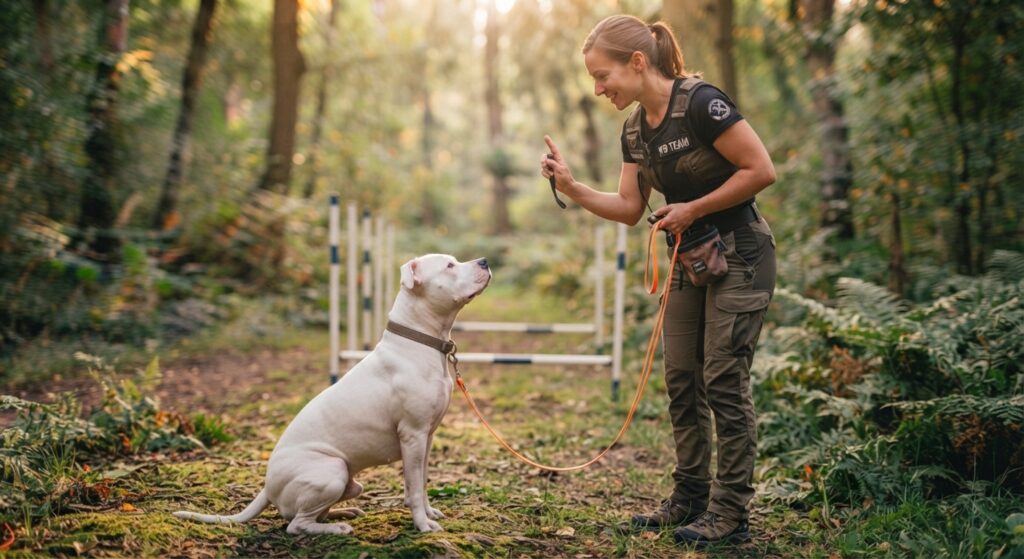
American Pit Bull Terriers are intelligent and, per the breed standard, genuinely eager to please, which generally makes them responsive to consistent, positive-reinforcement training. Early socialization is especially valuable given the breed’s dog-selective tendencies, helping puppies learn to handle unfamiliar dogs calmly rather than reactively.
Because the breed is strong and athletic, basic leash and obedience training matter practically as well as behaviorally. A poorly trained, powerful dog is harder to manage safely than a well-trained one of any breed, and that gap simply carries more consequence with a physically strong dog like this one.
Exercise Needs
American Pit Bull Terriers are athletic and energetic, generally needing 45 to 90 minutes of daily exercise to stay physically and mentally satisfied. Structured activities like fetch, tug (with appropriate rules), agility, or weight-pulling sports suit the breed’s drive and strength particularly well, channeling its energy productively rather than letting it build up as restlessness at home.
Grooming
The short, smooth coat is low-maintenance: weekly brushing is generally enough to manage shedding and keep the coat healthy. Standard care — nail trims, ear checks, and dental hygiene — rounds out the routine, with no special coat-specific demands beyond what most short-coated breeds need.
Health and Lifespan
Most American Pit Bull Terriers live between 10 and 14 years. As with most purpose-bred athletic dogs, a handful of conditions are worth understanding.
| Condition | What It Is | What Owners Should Watch For |
| Hip dysplasia | Abnormally formed hip joint | Limping, stiffness, reluctance to jump |
| Skin allergies (atopic dermatitis) | Common inflammatory skin condition in the breed | Itching, redness, recurrent skin/ear infections |
| Hypothyroidism | Underactive thyroid slowing metabolism | Weight gain, lethargy, coat changes |
| Congenital heart defects | Structural heart abnormalities present from birth | Exercise intolerance, fainting, abnormal heart sounds on exam |
| Cerebellar ataxia | A neurological condition documented in some lines | Uncoordinated movement, tremors, typically appearing in puppyhood |
Nutrition
A high-quality, active-breed formula suited to a muscular, athletic dog is generally appropriate for an American Pit Bull Terrier. Because skin allergies are relatively common in the breed, some owners find that a limited-ingredient or sensitive-skin formula helps manage symptoms, though any suspected food sensitivity should be worked through with a veterinarian rather than guessed at.
Cost and Adoption
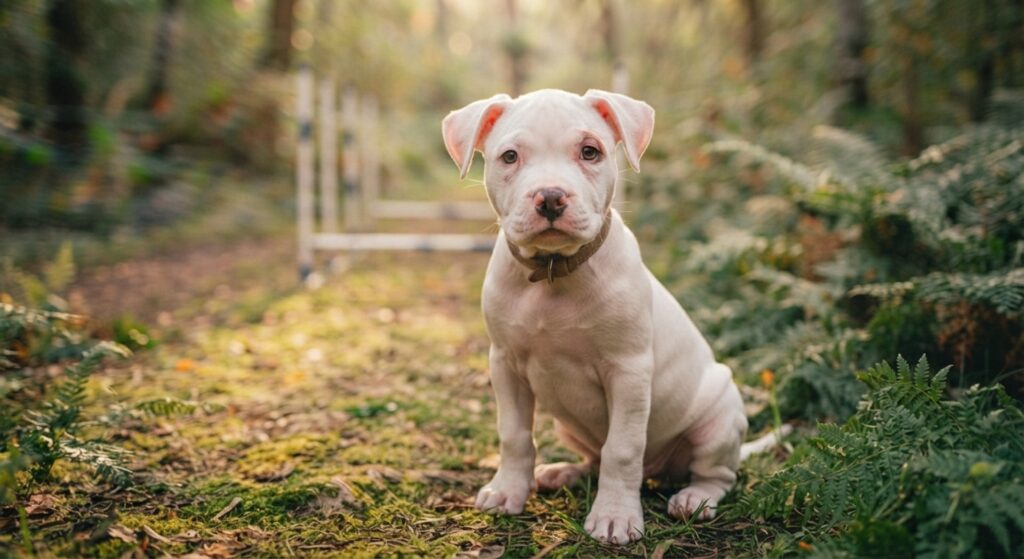
Pricing for American Pit Bull Terrier puppies varies widely and lacks the standardized figures you’d find with AKC-recognized breeds, since the breed is bred by a wide range of sources, from casual backyard breeders to dedicated UKC/ADBA show and working lines. Prospective owners working with a breeder should expect real variation and confirm current pricing directly.
Adoption is a particularly practical option for this breed specifically: pit bull-type dogs are significantly overrepresented in US shelters relative to their share of the overall dog population, meaning adoptable dogs are widely available through breed-specific rescue [Internal Link] organizations, often at a fraction of breeder pricing. Shelters and rescues also frequently have staff experienced in evaluating individual temperament, a genuine advantage when choosing a dog whose personality matters as much as its breed label.
Frequently Asked Questions
What is an American Pit Bull Terrier?
The American Pit Bull Terrier is a medium-to-large, muscular terrier-type breed descended from 19th-century English bull-and-terrier dogs, recognized by the United Kennel Club since 1898.
Is the American Pit Bull Terrier recognized by the AKC?
No. The AKC does not recognize a breed by this name. A related breed, the American Staffordshire Terrier, was separated from the same general lineage and formally renamed by the AKC in 1972.
What’s the difference between a Pit Bull and an American Staffordshire Terrier?
They share overlapping ancestry, but the American Staffordshire Terrier is AKC-recognized and was formally separated from American Pit Bull Terrier bloodlines in 1972, while the APBT remains recognized by the UKC and ADBA rather than the AKC.
Are Pit Bulls dangerous?
The UKC breed standard explicitly states that aggression toward humans is uncharacteristic of the breed and undesirable. Formal temperament testing through the American Temperament Test Society has historically shown pass rates for pit bull-type dogs comparable to or higher than several popular breeds; individual temperament varies by dog, upbringing, and training, as with any breed.
Where are Pit Bulls banned or restricted?
Breed-specific legislation affecting pit bull-type dogs exists in a number of countries and some US cities and counties. Because laws vary significantly by location, check your specific local and state regulations directly before acquiring one.
What health problems do Pit Bulls have?
Common concerns include hip dysplasia, skin allergies, hypothyroidism, congenital heart defects, and cerebellar ataxia in some lines.
How much does an American Pit Bull Terrier cost, and where can I adopt one?
Puppy pricing varies widely with no standardized figures. Because pit bull-type dogs are overrepresented in US shelters, adoption is often an accessible, lower-cost option through local shelters or breed-specific rescue organizations.
Conclusion
The American Pit Bull Terrier is a breed whose reputation has often outpaced the facts, whether those facts favor or complicate the popular narrative in either direction. The registry situation is genuinely more complicated than most guides explain, the breed standard itself is explicit that human aggression is atypical and undesirable, and the practical realities of breed-specific legislation and insurance are real considerations that deserve straightforward, factual treatment rather than either dismissal or alarm. For prospective owners who do their homework — on local laws, on individual temperament, and on the responsible training and socialization this breed’s strength calls for — the American Pit Bull Terrier is, per its own breed standard, an affectionate, enthusiastic companion.