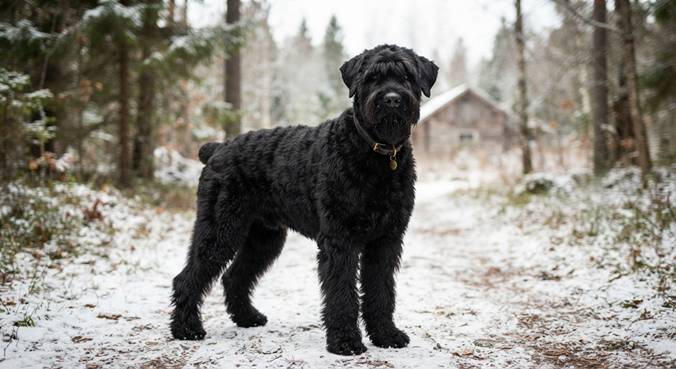

Poodle: The Complete Guide to a Working Water Dog in Costume
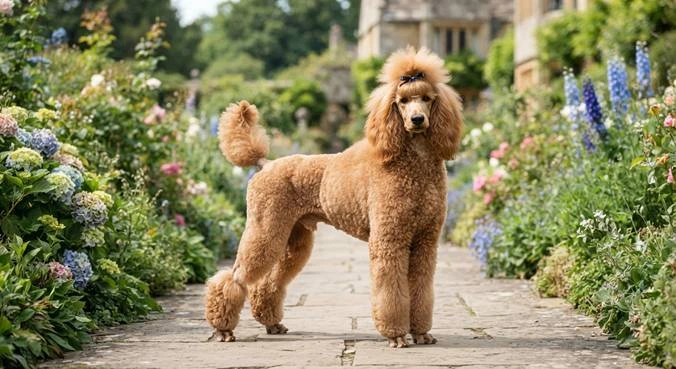
The Poodle’s famous haircut looks like pure fashion. It started as pure function. The breed’s name comes from the German word “pudeln,” meaning “to splash in water,” and the Poodle emerged in 16th-century Germany as a serious working water retriever rather than a show dog. Even the elaborate clip most people associate with the breed today began as a practical solution to a real problem: how to keep a swimming dog fast in the water while still protecting its vital organs from the cold. This guide covers that surprising functional history, the breed’s famously sharp temperament, and clear, statistically grounded health guidance for anyone considering ownership.
Poodle Quick Facts
The Poodle is a highly intelligent water retriever breed developed in Germany, refined in France, and now bred in three recognized sizes.
| Attribute | Detail |
| AKC Group | Non-Sporting Group (Standard/Miniature), Toy Group (Toy) |
| Country of Origin | Germany, refined in France |
| Height | Standard: over 15 in; Miniature: 10-15 in; Toy: under 10 in |
| Weight | Standard: 40-70 lb; Miniature: 10-15 lb; Toy: 4-6 lb |
| Lifespan | 11.5-12 years (up to 15+ with good care) |
| Coat | Dense, curly, low-shedding |
| Colors | Black, white, apricot, brown, and others |
| Temperament | Highly intelligent, alert, elegant, trainable |
What Is a Poodle?

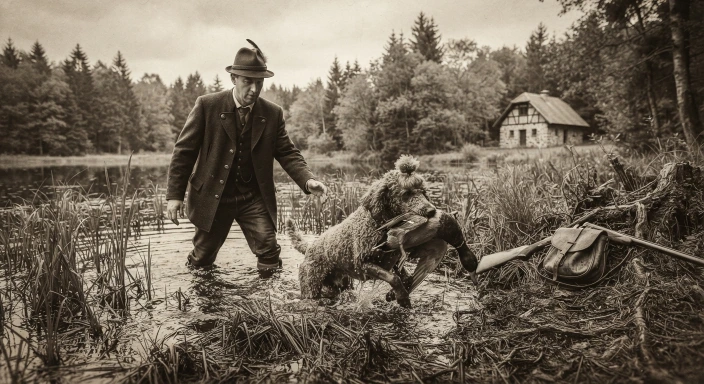
Pudeln: A German Water Retriever, Not a French Fashion Statement
Despite its strong association with French culture today, the Poodle’s roots trace to 16th-century Germany, where the breed developed specifically as a waterfowl retriever. Its name comes directly from “pudeln,” German for “to splash in water,” a fitting description of the dog’s original job. Larger Poodles handled genuine working retrieving duties, while smaller Poodles became home companions. That size division eventually formalized into the breed’s modern Standard, Miniature, and Toy varieties.
The Haircut Was Never Decorative
| Key Fact The Poodle’s elaborate traditional clip, with shaved legs and tail but full hair left at the chest, hips, and joints, was originally a working solution rather than a style choice. Shaving the legs and tail reduced drag and let the dog swim faster and more efficiently, while the retained hair around the chest, hips, and joints protected vital organs and joints from cold water during retrieves. Only after the breed’s popularity spread to France, where it was refined into the elegant Caniche, literally “duck dog” from the French “cane,” did the clip evolve into the fashion statement recognized today. |
Poodle vs. Bichon Frise vs. Portuguese Water Dog
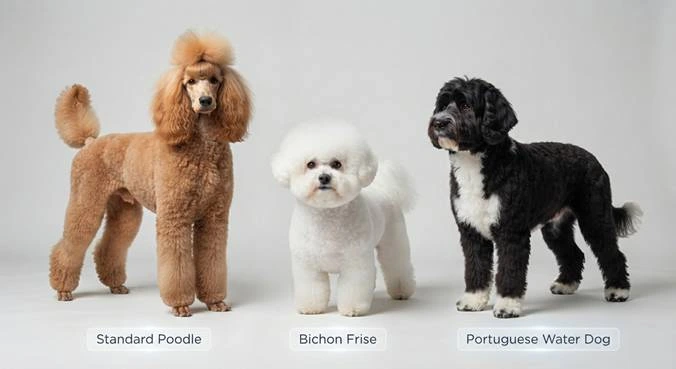
The Poodle shares a curly, low-shedding coat with the Bichon Frise and a genuine water-retrieving working history with the Portuguese Water Dog. Comparing the three clarifies how similar coat types and working roles produced distinctly different breeds.
| Attribute | Poodle | Bichon Frise | Portuguese Water Dog |
| Origin | Germany, refined in France | Mediterranean region | Portugal |
| Size | Toy to Standard (4-70 lb) | Small (12-18 lb) | Medium-large (35-60 lb) |
| Coat | Dense, curly, low-shedding | Soft, curly, low-shedding | Curly or wavy, low-shedding |
| Historical Purpose | Water retrieving, companion | Companion | Fishing boat assistant, retrieving |
Appearance
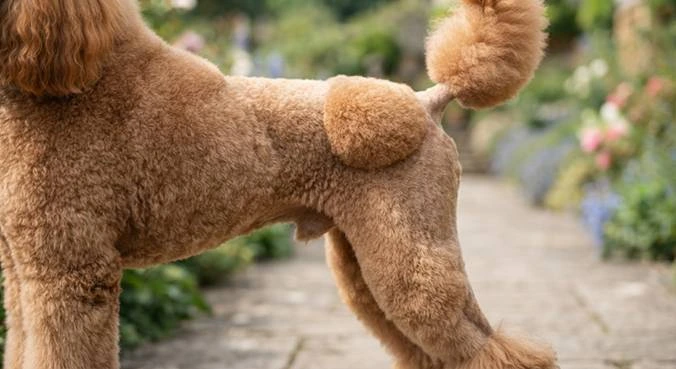
The Poodle is an elegant, well-proportioned dog with a dense, curly, low-shedding coat available in colors including black, white, apricot, and brown, bred in three recognized sizes: Standard, Miniature, and Toy. Its proud carriage and alert expression reflect both its working intelligence and its refined French show heritage.
Temperament
The Poodle is genuinely sharp, consistently ranked among the smartest dog breeds, combining real working drive with an elegant, alert, and affectionate personality. Trainable and people-oriented, the breed’s temperament reflects both its serious water-retrieving origins and its long history as a devoted companion.
Is a Poodle Right for You?
Families and Children
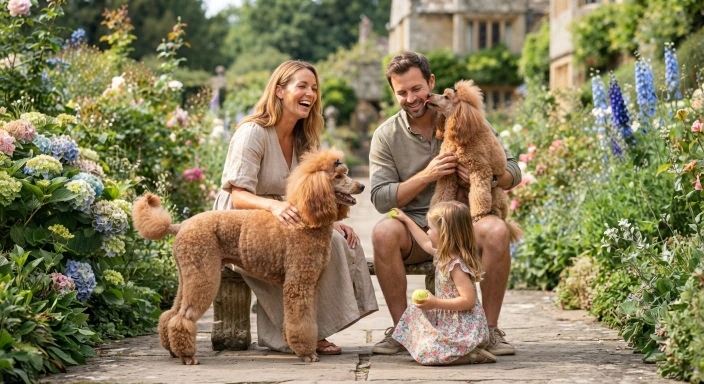
Poodles are typically gentle and affectionate with children, and their intelligence and trainability make them adaptable to a wide range of family situations. Early socialization helps this breed’s alert, sometimes reserved-with-strangers personality develop into confident, well-mannered behavior.
Three Sizes, Different Considerations
This is a breed where prospective owners genuinely need to think about which size fits their lifestyle, since Standard, Miniature, and Toy Poodles carry meaningfully different health considerations alongside their size differences. Standard Poodles need more space and exercise, while Miniature and Toy Poodles fit smaller households but carry their own distinct orthopedic risks.
Training
Poodles are exceptionally intelligent and genuinely eager to please, making them one of the most trainable breeds around, particularly with positive, engaging, reward-based methods. Early socialization and mental stimulation help channel the breed’s real intelligence into good behavior rather than boredom-driven mischief.
Exercise Needs
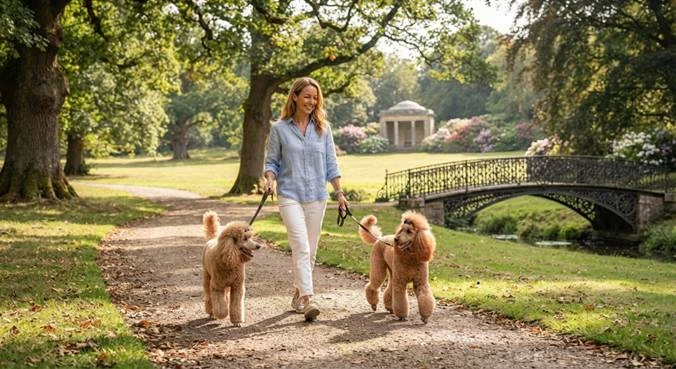
Poodles need regular daily exercise, including walks, play, and real mental stimulation, with Standard Poodles requiring notably more physical activity than Miniature or Toy varieties given their working retriever heritage. Swimming remains a natural and beneficial activity for this breed given its origins.
Grooming
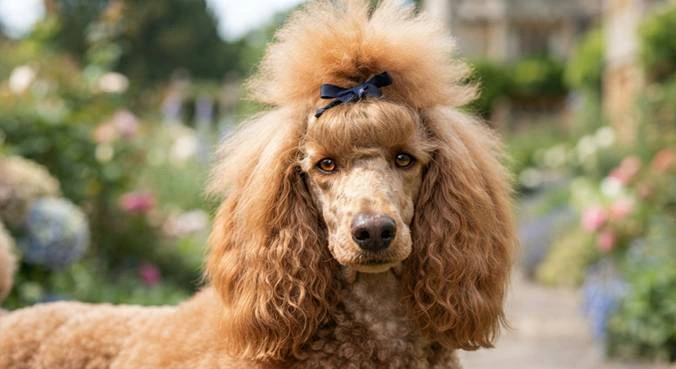
The Poodle’s dense, curly coat is low-shedding but requires regular brushing and professional grooming every four to six weeks to prevent matting. Many owners maintain a simplified version of the traditional functional clip, though modern styles range from practical short cuts to the elaborate show clips that trace directly back to the breed’s original swimming function.
Health and Lifespan
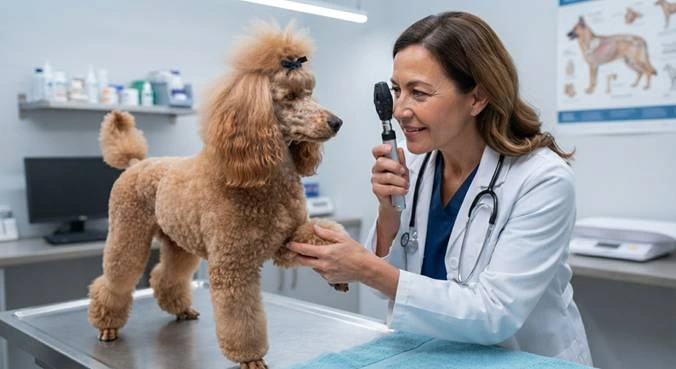
Poodles typically live 11.5 to 12 years, with many reaching 15 years or more given proper care. The breed carries a genuinely serious, well-documented list of health risks that vary by size, and responsible ownership means taking them seriously.
| Condition | What It Is | What Owners Should Watch For |
| Addison’s disease | An adrenal gland disorder causing insufficient cortisol and aldosterone production, notably elevated in Standard Poodles | Lethargy, vomiting, loss of appetite, weakness |
| Hip dysplasia | A skeletal disorder affecting hip joint development, present in an estimated 11.9% of Poodles | Reluctance to jump, altered gait, stiffness |
| Bloat/GDV | A life-threatening stomach distension and twisting, notably elevated risk in Standard Poodles | Distended abdomen, unproductive retching, restlessness |
| Patellar luxation | A kneecap dislocation disorder, notably more common in Miniature and Toy Poodles | Skipping gait, intermittent limping, reluctance to jump |
Addison’s Disease and Size-Specific Risks
These figures matter for honest planning. Standard Poodles carry one of the highest Addison’s disease rates of any breed, a treatable but lifelong condition requiring consistent hormone replacement therapy once diagnosed, and they also face elevated bloat risk and a higher incidence of certain cancers, including insulinoma and hemangiosarcoma. Hip dysplasia affects an estimated 11.9 percent of Poodles across all sizes, while Miniature and Toy Poodles carry a notably higher risk of patellar luxation, a kneecap condition common in smaller breeds. Understanding these size-specific patterns helps prospective owners choose the variety, and the veterinary screening plan, that genuinely fits their situation.
Nutrition
A high-quality diet appropriate to the Poodle’s size variety suits the breed well, with portion sizes adjusted carefully for Standard Poodles’ more active lifestyle versus the more modest needs of Miniature and Toy varieties.
Cost and Adoption
Poodle puppies from reputable breeders typically range from $1,500 to $3,500 depending on size and lineage, with annual ownership costs, including food, professional grooming, and routine veterinary care, generally running $1,500 to $2,500. The Poodle Club of America maintains breeder referral resources, and prospective owners should ask directly about Addison’s disease history, hip screening, and patellar evaluation for any litter’s parent dogs before committing to a puppy.
Frequently Asked Questions
Why do Poodles have that distinctive haircut?
The traditional clip originally served a working purpose: shaved legs and tail reduced drag while swimming, while retained hair at the chest, hips, and joints protected vital organs from cold water during retrieves.
Are Poodles actually French?
Not originally. The breed developed in 16th-century Germany as a water retriever and was later refined in France into the elegant Caniche.
What is the difference between Standard, Miniature, and Toy Poodles?
Primarily size, with Standard Poodles over 15 inches tall, Miniatures between 10 and 15 inches, and Toys under 10 inches, though each size carries somewhat different health considerations.
Are Poodles hypoallergenic?
No dog is fully hypoallergenic, but the Poodle’s low-shedding coat produces less loose hair and dander than many breeds, which is why it’s often recommended for allergy-sensitive households.
How long do Poodles live?
Typically 11.5 to 12 years, with many Poodles living 15 years or more given proper care.
Are Poodles good family dogs?
Generally yes. They’re typically gentle, affectionate, and highly trainable, making them adaptable to many family situations.
How much does a Poodle puppy cost?
Typically $1,500 to $3,500 depending on size and lineage, with annual ownership costs generally running $1,500 to $2,500.
Conclusion
The Poodle’s documented history, a serious German water retriever whose famous haircut began as functional swimming gear rather than fashion, gives this breed a genuinely surprising backstory behind its elegant reputation. Owners who understand the size-specific health considerations, particularly Addison’s disease and bloat risk in Standards and patellar luxation in smaller varieties, tend to find the Poodle an exceptionally intelligent and devoted companion.