
German Shorthaired Pointer: The Complete Breed Guide
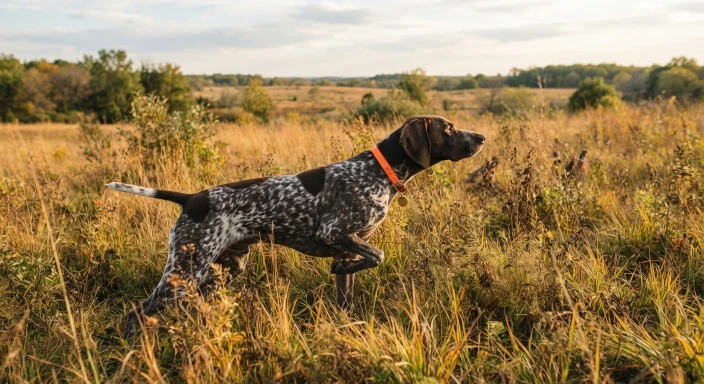
Athletic, alert, and always looking for a job to do, the German Shorthaired Pointer (GSP) is one of the most versatile gun dogs ever bred — equally at home pointing birds in a field, swimming after a downed duck, or curled up on the couch once the day’s work is done. It’s also one of the more demanding sporting breeds: bred for stamina and drive, a GSP without a job or an outlet quickly becomes a handful.
This guide covers what any current or prospective GSP owner needs to know: history, physical traits, temperament, training, exercise, grooming, health, and the real costs of ownership.
German Shorthaired Pointer at a Glance
| Trait | Details |
| Group | Sporting Group (AKC), Group 7 (FCI) |
| Origin | Germany |
| Height | Males 23–25 in; Females 21–23 in |
| Weight | Males 55–70 lb; Females 45–60 lb |
| Coat | Short, flat, dense, weather-resistant |
| Colors | Liver, liver and white (ticked, patched, or roan), black, black and white |
| Lifespan | 12–14 years |
| Temperament | Friendly, intelligent, energetic, eager to please |
| Exercise Needs | 90+ minutes of vigorous daily activity |
| Grooming | Very low-maintenance; year-round shedder |
| Trainability | High; responds best to positive reinforcement |
| Good With Kids | Yes, especially with an active family |
History and Origin
The German Shorthaired Pointer’s roots trace to 17th-century Germany, where hunters wanted a single dog capable of tracking, pointing, and retrieving game on both land and water — a true all-purpose gun dog rather than a specialist. Breeders spent generations crossing Spanish Pointers with local German bird dogs, Bloodhounds for scenting ability, and later the English Pointer for refinement and speed.
By the mid-to-late 19th century, the breed had taken the form recognized today. The German Shorthaired Pointer was recognized by the American Kennel Club in 1930, and it has since become one of the most popular breeds in the AKC’s Sporting Group, prized by hunters and active households alike.
Physical Characteristics
The GSP is built for endurance rather than bulk: a lean, athletic frame with a deep chest, strong hindquarters, and a ground-covering gait suited to a full day of fieldwork. Males stand 23 to 25 inches at the shoulder and weigh 55 to 70 pounds; females are slightly smaller, standing 21 to 23 inches and weighing 45 to 60 pounds.
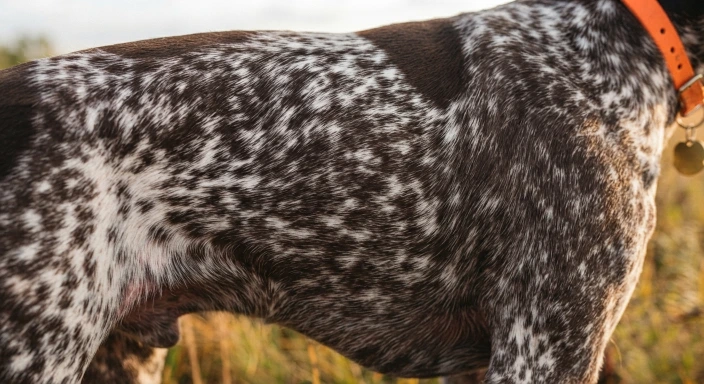
The coat is short, flat, and dense enough to shed water and resist burrs in heavy cover. Accepted colors and patterns are extensive: solid liver, liver and white in ticked, patched, or roan combinations, and — since a 2023 AKC standard update — solid black or black and white. Liver and black should never appear together on the same dog, and any area of red, orange, lemon, or tan, or a solid white coat, disqualifies a dog from the show ring.
Temperament and Personality
The AKC breed standard describes the ideal GSP temperament as showing “a keen enthusiasm for work” without nervousness or flightiness. In practice, that translates to a dog that is friendly, intelligent, and intensely people-oriented — GSPs are not a breed that does well left alone in a backyard.
They tend to get along well with children and other dogs, especially with early exposure, and their enthusiasm makes them natural companions for joggers, hikers, and hunters. That same enthusiasm can tip into over-exuberance without training: a bored or under-exercised GSP is prone to jumping, counter-surfing, and general mischief driven by pure surplus energy.
Living With a German Shorthaired Pointer
Families and children:
GSPs generally do well with children and thrive in active households. Their size and energy mean young kids should be supervised during play, since an exuberant GSP can knock over a small child without meaning to.
Other pets:
With early socialization, GSPs typically get along well with other dogs. Their hunting instinct is strong, though, and small pets such as cats, rabbits, or birds may be seen as prey unless the dog is raised alongside them from puppyhood.
Living space:
A GSP can adapt to apartment life only if its exercise needs are met without compromise; most do better in homes with a yard and easy access to open space. What the breed cannot handle well is a sedentary lifestyle — insufficient exercise is the single biggest cause of behavior problems in this breed.
Training and Socialization
German Shorthaired Pointers are highly intelligent and among the more trainable sporting breeds, which makes them well suited to obedience work, agility, and formal gun-dog training. That same intelligence means an under-stimulated GSP will invent its own activities, usually to its owner’s detriment.
Positive reinforcement — treats, praise, and play — produces the best results, with short, consistent sessions of 10 to 15 minutes working better than long or repetitive drilling. Training and socialization should start the day a puppy comes home, with structured routines that teach the dog what’s expected early. The period between six months and three years is often the most demanding stretch for GSP owners, as adolescent energy outpaces training unless it’s actively channeled.
Exercise and Mental Stimulation
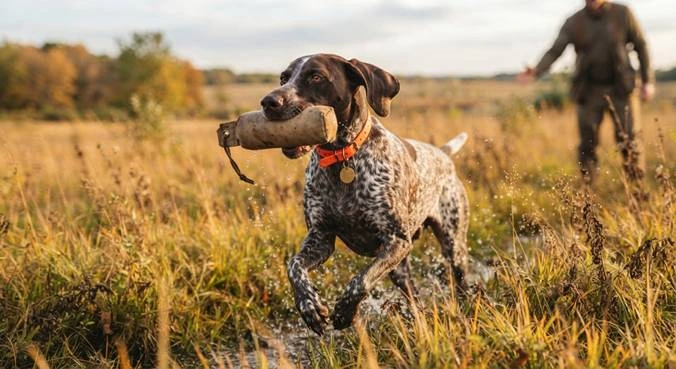
Few sporting breeds need more daily exercise than the GSP. Plan on 90 minutes or more of vigorous activity a day — running, hiking, swimming, or field work — to keep the breed’s stamina and drive satisfied. A casual walk around the block will not come close to meeting this dog’s needs.
Mental work matters as much as physical exertion. Scent games, retrieving drills, agility courses, and actual hunting or field trial work give a GSP the kind of purposeful outlet it was bred for. Dogs that get both physical and mental exercise settle far more easily indoors than those given physical exercise alone.

Grooming and Coat Care
The GSP’s short coat is about as low-maintenance as it gets: weekly brushing removes loose hair and keeps the coat’s natural shine, and bathing is needed only occasionally — often no more than once a month unless the dog has been in the field or water.
Despite the short coat, shedding is a year-round reality, with heavier blows in spring and fall. A full grooming routine should also include:
- Nail trims every three to four weeks
- Regular ear checks, since the breed’s floppy ears are prone to moisture and infection
- Routine dental care, including brushing several times a week
- A quick skin check after outdoor sessions for burrs, ticks, or cuts
Nutrition and Feeding
Given their activity level, most GSPs do well on a high-quality diet formulated for active or working sporting breeds, with portions adjusted for age, weight, and how much exercise the dog is actually getting — a hunting dog in season needs meaningfully more calories than the same dog resting in the off-season.
Because the breed is deep-chested and prone to bloat, feeding two smaller meals a day rather than one large one is strongly recommended, along with avoiding vigorous exercise for at least an hour before and after meals. Slow-feeder bowls can help dogs that gulp their food.
Health and Lifespan
German Shorthaired Pointers are a relatively healthy, long-lived breed, with an average lifespan of 12 to 14 years. Still, prospective owners should be aware of the conditions the breed is predisposed to.
| Condition | What It Is | What Owners Should Watch For |
| Hip dysplasia | Malformation of the hip joint that wears down cartilage and bone over time | Reluctance to jump or climb stairs, stiffness after rest, an altered gait |
| Gastric dilatation-volvulus (bloat) | Stomach fills with gas and twists, cutting off blood flow; can be fatal within hours | Unproductive retching, a distended or rigid abdomen, sudden restlessness |
| Von Willebrand’s disease | An inherited blood-clotting disorder | Excessive bleeding from minor cuts, nosebleeds, or after surgery |
| Lymphedema | Improper drainage of the lymphatic system, often affecting the limbs | Swelling in the legs or paws, particularly in puppies |
| Cancer (mammary, mast cell, lymphosarcoma) | A group of cancers more frequently seen in the breed | Unusual lumps, swelling, or unexplained weight loss |
| Eye conditions (entropion / ectropion) | Eyelids that roll inward or outward abnormally | Excessive tearing, squinting, or visible irritation |
Responsible breeders screen breeding stock for hip dysplasia (OFA or PennHIP) and, in some lines, von Willebrand’s disease. Buyers should ask to see health clearances for both parents. Routine veterinary checkups and prompt attention to changes in gait, energy, or appetite help catch problems early.
Cost of Owning a German Shorthaired Pointer
| Expense | Typical Range |
| Puppy from a reputable breeder | $600–$2,000 (field-trial or champion lines: higher) |
| Rescue or shelter adoption | $50–$400 |
| First-year setup and veterinary costs | $1,500–$3,000 |
| Ongoing annual costs (food, routine vet care, grooming) | $1,000–$2,000 |
| Lifetime cost of ownership | $18,000–$35,000+ |
Because GSPs are active dogs with real exercise requirements, prospective owners should also factor in less obvious costs: field-training equipment, fencing or secure outdoor space, and potentially a dog walker or daycare for owners who work long hours away from home.
Finding a German Shorthaired Pointer: Breeders and Rescue
Anyone looking for a GSP puppy should seek out a breeder who health-tests both parents, raises puppies in a home environment, and can speak knowledgeably about the line’s energy level and hunting drive. The German Shorthaired Pointer Club of America and regional GSP clubs maintain breeder referral lists and are a good starting point.
Rescue is also worth considering. Breed-specific GSP rescues regularly place adolescent and adult dogs — some already trained for the field — at a fraction of breeder prices, though prospective adopters should be candid with rescues about their activity level and experience with high-energy breeds. [Internal Link — German Shorthaired Pointer Rescue Guide]
Frequently Asked Questions
How much exercise does a German Shorthaired Pointer need?
Plan on 90 minutes or more of vigorous daily exercise. GSPs are among the highest-energy sporting breeds and do not do well with a sedentary lifestyle.
Are German Shorthaired Pointers good with kids?
Yes, especially in active households. Their size and exuberance mean play with young children should be supervised.
Do German Shorthaired Pointers shed a lot?
They shed year-round despite their short coat, with heavier shedding in spring and fall.
How long do German Shorthaired Pointers live?
The typical lifespan is 12 to 14 years, making them a relatively long-lived sporting breed.
Are GSPs easy to train?
Yes. They’re highly intelligent and respond well to positive reinforcement, though their energy can make focus a challenge without enough daily exercise.
How much does a German Shorthaired Pointer cost?
Puppies from reputable breeders generally run $600 to $2,000, while rescue adoption typically costs $50 to $400.
What health problems are German Shorthaired Pointers prone to?
Common concerns include hip dysplasia, bloat (GDV), von Willebrand’s disease, lymphedema, certain cancers, and eyelid conditions such as entropion.
Conclusion
The German Shorthaired Pointer is built for owners who want a genuine partner in an active lifestyle — hunting, running, hiking, or simply keeping up with a dog that never seems to run out of energy. Given enough exercise, structured training, and early socialization, the GSP repays that investment with an affectionate, versatile, and remarkably long-lived companion. Anyone considering the breed should be honest about their own activity level first: this is a dog that needs a job, and owners who can’t provide one should look elsewhere.