The American Bulldog: A Complete Guide to the Breed
The American Bulldog
Few dogs carry themselves with the same mix of muscle and confidence as the American Bulldog. Built for farm work, protection, and companionship, this breed has quietly grown into one of the most requested working dogs in the United States and beyond. Owners are drawn to its loyalty, its athletic build, and the sense that underneath all that power is a dog that genuinely wants to be close to its family.
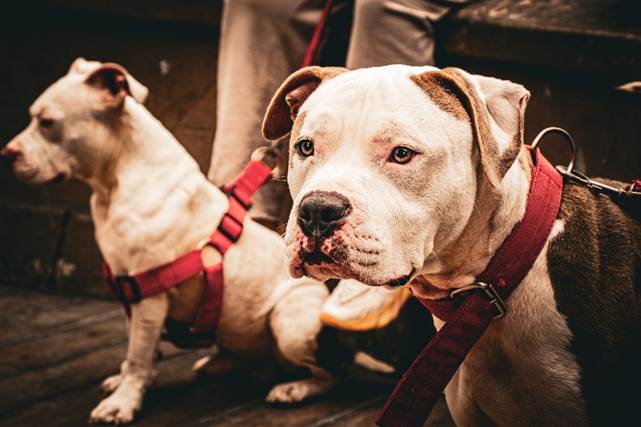
American Bulldogs
The American Bulldog descends from working bulldogs brought to the southern United States by English settlers centuries ago. Unlike its British cousin, which was gradually bred down in size and athleticism for the show ring, the American Bulldog kept its job: catching livestock, guarding property, and working alongside farmers. That history shows in the dog you see today — broader shoulders, longer legs, and a face with far less exaggerated wrinkling than the English Bulldog.
There isn’t a single rigid look across the breed. Some lines, often called the “Bully” or “Classic” type, are shorter and heavier through the chest. Others, known as the “Standard” or “Performance” type, are taller, leaner, and built more like an athlete. Coat colors run from solid white to brindle, red, or patched combinations of white with brown or black. What ties every American Bulldog together isn’t a strict standard so much as a shared build: dense muscle, a broad skull, and a stance that suggests the dog could do real physical work if asked to.
Big American Bulldog
Size is one of the breed’s calling cards. A mature male typically stands between 22 and 27 inches at the shoulder and weighs anywhere from 75 to 120 pounds, with some larger individuals pushing past that. Females run slightly smaller, usually landing between 60 and 90 pounds. These aren’t exact figures carved in stone — breeders and lines vary — but the general picture is consistent: this is a heavy-bodied, big-boned dog, not a lean sprinter.
That size comes with real responsibility. A dog this strong needs structured training from puppyhood, not because the breed is unmanageable, but because an 80-pound adult that never learned leash manners becomes a genuine handful. Space matters too. American Bulldogs do best with a yard to move in and regular exercise to burn off their natural energy; a cramped apartment with no outlet for that muscle usually leads to a bored, frustrated dog. Feeding a large breed also calls for attention to joint health, since bulk without proper nutrition and controlled growth can put strain on hips and elbows later in life.
American Bulldog Personality
Ask most owners to describe the breed in one word, and “devoted” comes up often. American Bulldogs bond hard with their households. They tend to shadow their favorite person from room to room, lean their considerable weight against your leg for attention, and generally treat family members as the center of their world. This isn’t a breed that does well being left alone in a backyard for most of the day — they want to be included.
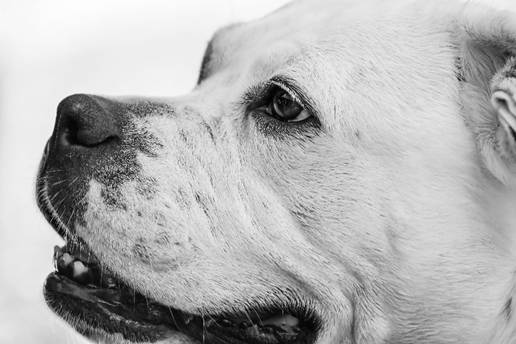
They also carry a strong protective streak. Without being aggressive by default, most American Bulldogs are naturally watchful of strangers and quick to notice anything unusual around the house. Early socialization goes a long way here, teaching the dog to read situations calmly rather than react on instinct. With children they’ve grown up around, the breed is typically patient and even goofy, often more tolerant of rough play than owners expect from such a powerful dog.
Intelligence rounds out the picture. These dogs learn fast, which is good news for training but also means they get bored with repetition. Owners who keep sessions short, varied, and rewarding tend to get the best results — and a mentally engaged American Bulldog is usually a much calmer one at home.
American Bulldog Temperament
Temperament and personality overlap, but temperament speaks more to the dog’s underlying disposition — how it responds to stress, new people, and other animals — rather than just its day-to-day habits.
American Bulldogs were bred to be confident and self-assured, and that confidence can tip into stubbornness if training starts late or stays inconsistent. This isn’t a breed that responds well to harsh handling; firm, consistent, and reward-based training earns far better cooperation than force ever will. Owners who establish clear rules early, and stay consistent about them, generally find the breed easy to live with.
Around other dogs, especially unfamiliar ones of the same sex, some individuals can be reactive — a trait that traces back to their working and guarding history. This makes early, ongoing socialization one of the most important investments an owner can make, ideally starting in puppyhood and continuing through adolescence. Done well, it produces a dog that’s comfortable at the park, calm around visitors, and selective rather than suspicious.
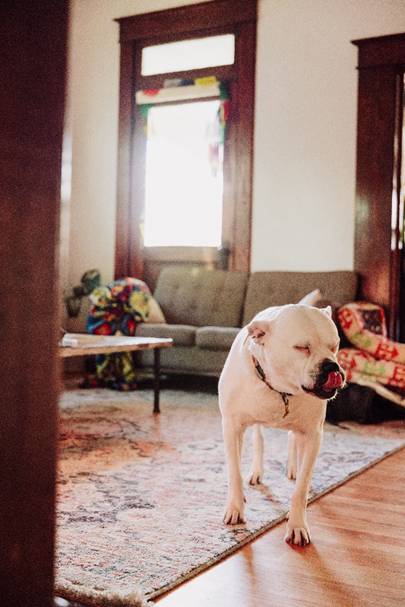
At home, the temperament tends to soften considerably. Most American Bulldogs are calm indoor companions once their exercise needs are met, content to sprawl across the couch or the floor near their people. It’s a breed that asks for structure and commitment, and in exchange offers a level of loyalty that’s hard to match.
Is the American Bulldog Right for You?
This breed suits active owners who want a dog involved in daily life — hiking, working the yard, or simply being present at home rather than isolated outside. First-time dog owners can succeed with an American Bulldog, but should be ready to invest real time in training and socialization from the start. Given the right structure, exercise, and attention, the American Bulldog rewards its owner with a steady, protective, and deeply affectionate companion.