The Anatolian Shepherd Dog: Guardian of Flocks and Families
The Anatolian Shepherd Dog
Introduction to the Anatolian Shepherd
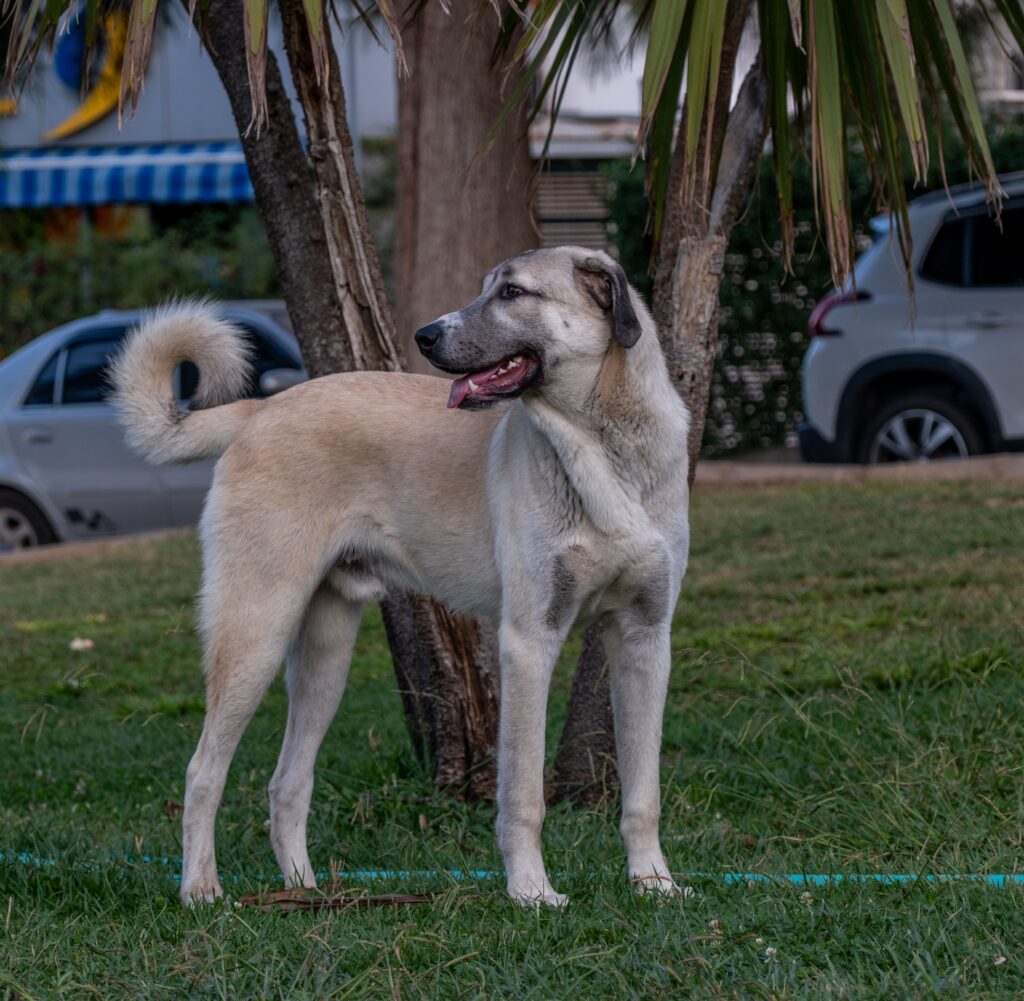
Standing next to a human, the Anatolian Shepherd presents an imposing figure—a living testament to thousands of years of selective breeding for protection and independence. This ancient guardian breed, also simply known as the Anatolian dog, commands respect through sheer presence alone. With an Anatolian Shepherd height reaching up to 32 inches at the shoulder and weighing over 150 pounds, these magnificent canines are among the most formidable livestock guardians in the world.
The Anatolian Shepherd temperament reflects centuries of working independently on the harsh Anatolian plateau of Turkey, where these dogs protected flocks from wolves, bears, and other predators with minimal human intervention. Unlike herding breeds that move livestock, Anatolian Shepherds serve as sentinels—watchful, protective, and capable of making split-second decisions without waiting for commands.
For those considering adding one of these remarkable dogs to their family, understanding the Anatolian Shepherd Dog price is just the beginning. An Anatolian Shepherd Dog puppy represents a 10-15 year commitment to a breed that’s intelligent, loyal, and challenging in equal measure. Whether you’re researching the differences between an Anatolian Shepherd dog vs Kangal or Anatolian Shepherd dog vs Great Pyrenees, exploring Anatolian Shepherd dog mix options, or simply trying to understand the Anatolian Shepherd dog size requirements, this comprehensive guide will provide everything you need to know.
The Anatolian Shepherd intelligence ranking may not place them among the most obedient breeds, but this reflects their independent thinking rather than lack of intelligence. These dogs were bred to problem-solve and protect without constant human direction—a trait that makes them exceptional guardians but sometimes challenging companions.
History and Origins of the Anatolian Shepherd
Ancient Roots in the Anatolian Plateau
The Anatolian Shepherd’s history stretches back over 6,000 years to the Bronze Age civilizations of the Anatolian Peninsula in modern-day Turkey. Archaeological evidence and ancient artwork depict large dogs matching the Anatolian’s description working alongside shepherds and guarding livestock across this harsh, mountainous region.
The Anatolian Plateau—a high-altitude region characterized by extreme temperatures, rugged terrain, and diverse predators—shaped every aspect of this breed. Summer temperatures could exceed 100°F (38°C), while winter brought bitter cold and heavy snow. The dogs that survived and thrived in these conditions developed remarkable adaptability, endurance, and self-sufficiency.
Development as a Livestock Guardian
Unlike many modern breeds developed through recent selective breeding programs, Anatolian Shepherds evolved through natural selection combined with functional breeding by Turkish shepherds. These pastoral people needed dogs that could:
- Protect flocks from wolves, bears, jackals, and human thieves
- Work independently for days at a time with minimal supervision
- Survive harsh conditions including temperature extremes and limited food
- Cover vast territories patrolling grazing lands spanning miles
- Make autonomous decisions about threat assessment and response
The shepherds didn’t breed for appearance but for working ability. Dogs that failed to protect the flock didn’t reproduce. Those that succeeded passed on their genes, creating a landrace breed—one shaped by environment and function rather than standardized appearance.
Regional Variations
The Anatolian Shepherd actually encompasses several regional Turkish guardian dog types, including:
- Akbash – Predominantly white dogs from western Turkey
- Kangal – The fawn-colored dogs with black masks from Sivas province
- Kars – Larger, often darker dogs from northeastern Turkey
- Boz Shepherd – Gray-colored variants
In Turkey, these remain distinct types, but when the breed was exported to the West, they were consolidated under the “Anatolian Shepherd” designation. This leads to ongoing debate about the Anatolian Shepherd dog vs Kangal distinction, which we’ll explore in detail later.
Introduction to the West
The Anatolian Shepherd remained virtually unknown outside Turkey until the mid-20th century. American servicemen stationed in Turkey during the 1950s and 1960s encountered these impressive dogs and brought some back to the United States.
The breed gained particular attention when:
- 1970s: Serious breeding programs began in the United States
- 1985: The Anatolian Shepherd was used in Namibia’s groundbreaking livestock guardian dog program to protect livestock from cheetahs, helping conserve endangered cheetah populations while reducing livestock losses
- 1996: The American Kennel Club (AKC) officially recognized the breed
- 1990s-2000s: Growing popularity as both working guardians and companions
Today, Anatolian Shepherds work worldwide protecting livestock from predators including wolves, coyotes, bears, mountain lions, and even cheetahs. Their success in reducing predator conflicts while protecting endangered species has made them conservation heroes.
The Breed’s Purpose Today
While some Anatolian Shepherds still work in their traditional role guarding sheep, goats, and cattle, many now serve as:
- Family guardians protecting homes and property
- Estate dogs patrolling large rural properties
- Conservation tools protecting livestock while preserving predator populations
- Companions for experienced dog owners who appreciate the breed’s unique qualities
Understanding this working heritage is crucial for anyone considering an Anatolian Shepherd puppy. These aren’t simply large, fluffy pets—they’re serious working dogs with deeply ingrained protective instincts and independent thinking.
Physical Characteristics: The Anatolian Shepherd Dog Size and Appearance
Impressive Stature: Anatolian Shepherd Height and Weight
The Anatolian Shepherd is a genuinely large breed, built for power, endurance, and intimidation. When you see an Anatolian Shepherd next to a human, the size comparison is striking.
Standard Measurements:
Males:
- Height: 29-32 inches (74-81 cm) at the shoulder
- Weight: 110-150 pounds (50-68 kg)
- Some working males exceed these standards, reaching 160+ pounds
Females:
- Height: 27-30 inches (69-76 cm) at the shoulder
- Weight: 80-120 pounds (36-54 kg)
- More refined than males but still substantial
Anatolian Shepherd Size Comparison:
To put this in perspective:
- An adult male Anatolian stands roughly hip-height to an average human
- At 150 pounds, they weigh as much as many adult humans
- They’re significantly larger than German Shepherds or Labrador Retrievers
- Comparable in height to Great Danes but much more heavily built
The Anatolian Shepherd dog size isn’t just about height—it’s about substance. These dogs have thick, powerful bone structure, deep chests, and heavy musculature that gives them both strength and endurance.
Build and Structure
Body Proportions:
- Slightly longer than tall (not square)
- Deep, capacious chest for heart and lung capacity
- Level topline with slight rise over the loin
- Powerful, muscular hindquarters
- Long tail that curls over the back when alert
Head and Expression:
- Large, broad skull with slight dome
- Powerful jaws and strong muzzle
- Black nose (liver acceptable in lighter-colored dogs)
- Medium-sized, triangular ears that hang down
- Almond-shaped eyes ranging from amber to dark brown
- Expression is intelligent, alert, and dignified
The head is one of the breed’s most distinctive features—substantial without being exaggerated, conveying both intelligence and authority.
Coat Types and Colors
Coat Texture:
Anatolian Shepherds have a double coat that varies slightly by season and region of origin:
- Outer coat: Short to medium-length (1-4 inches), harsh texture
- Undercoat: Dense, providing insulation against both heat and cold
- Seasonal variation: Heavier coat in winter, lighter in summer
- Neck ruff: Thicker coat around the neck and shoulders, especially in males
Some Anatolian Shepherds, particularly those from higher elevations, have longer, rougher coats, while those from lower regions tend toward shorter coats.
Color Variations:
Anatolian Shepherds come in numerous colors and patterns:
Solid Colors:
- Fawn (ranging from pale cream to deep red)
- Brindle (fawn with darker stripes)
- White (pure or with minimal markings)
- Gray (from light silver to dark charcoal)
Patterns:
- Pinto: Large patches of color on white background
- Black mask: Dark facial marking on fawn or brindle dogs (very common)
- Irish spotting: White chest, paws, and tail tip
- Solid with points: Darker ears and muzzle
All colors are acceptable, though the classic fawn with black mask—often associated with the Kangal type—is most recognizable.
Physical Capabilities
The Anatolian’s physical build enables remarkable capabilities:
Speed and Agility:
Despite their size, Anatolian Shepherds are surprisingly fast and agile:
- Can reach speeds of 30+ mph in short bursts
- Capable of quick direction changes when confronting threats
- Surprisingly light on their feet for their size
Endurance:
- Can patrol territories of several miles for hours
- Adapted to travel long distances without tiring
- Capable of working in extreme heat and cold
Strength:
- Powerful enough to confront wolves, bears, and large predators
- Strong bite force suitable for defense
- Capable of carrying backpacks or pulling moderate loads
Jumping Ability:
This is often underestimated—Anatolian Shepherds can:
- Clear 6-foot fences from a standstill
- Scale chain-link fencing by climbing
- Jump onto vehicles or structures when motivated
This jumping ability has important implications for containment and fencing requirements.
Sexual Dimorphism
The difference between male and female Anatolian Shepherds is pronounced:
Males:
- Distinctly larger and more substantial
- More impressive neck ruff and overall coat
- Broader heads with more masculine appearance
- More territorial and patrol-oriented behavior
Females:
- More refined, though still large
- Slightly less territorial than males
- Often more attentive to specific flock animals or family members
- Somewhat easier to handle due to size difference
When considering an Anatolian Shepherd puppy, the sex you choose will significantly impact adult size, with males being substantially larger.
Age-Related Development
Understanding the Anatolian Shepherd dog size means recognizing their growth pattern:
Puppy (0-6 months):
- Rapid growth phase
- Gain 5-10 pounds per month
- Reach 50-75% of adult height by 6 months
Adolescent (6-18 months):
- Continued growth, particularly filling out
- May appear lanky and disproportionate
- Reach full height by 12-14 months (females) or 14-18 months (males)
Young Adult (18-36 months):
- Continue adding muscle and bulk
- Chest deepens and broadens
- Full physical maturity at 24-36 months
Mature Adult (3+ years):
- Mental maturity follows physical by 1-2 years
- Peak working years from 3-7 years
- Maintain working ability into senior years
This extended development period means your Anatolian Shepherd puppy will be a “puppy” in size and behavior for much longer than smaller breeds.
Anatolian Shepherd Dog vs Kangal: Understanding the Difference
One of the most common questions about Anatolian Shepherds involves their relationship to the Kangal dog. The answer is complex and somewhat controversial.
The Turkish Perspective
In Turkey, the Kangal is considered a distinct breed from the Anatolian Shepherd. The Kangal Dog (Kangal Çoban Köpeği) specifically refers to dogs from the Sivas-Kangal region of central Turkey. These dogs have:
Defining Kangal Characteristics:
- Fawn coloring with black mask and ears
- Specific size parameters (slightly smaller than some Anatolian variants)
- Particular temperament traits
- Traceable lineage to the Kangal region
- Cultural significance as Turkey’s national dog
The Turkish Kennel Club and Turkish breeders maintain strict standards for what constitutes a true Kangal, and mixing with other Turkish shepherd dog types is discouraged.
The Western Perspective
When Turkish guardian dogs were imported to the United States and Europe, various regional types were grouped together under “Anatolian Shepherd Dog.” This consolidation included:
- Kangals from Sivas province
- Akbash dogs from western Turkey
- Kars dogs from the northeast
- Various other regional types
The reasoning was that these were all functionally similar livestock guardians from the Anatolian region, with variation attributed to regional adaptation rather than representing distinct breeds.
Physical Differences
While there’s significant overlap, some general distinctions exist:
Size:
- Kangal: Typically 28-31 inches, 90-145 pounds
- Anatolian Shepherd: 27-32 inches, 80-150+ pounds
- Anatolian Shepherds encompass a wider size range
Coloring:
- Kangal: Specifically fawn with black mask
- Anatolian Shepherd: Any color including fawn/black mask, white, brindle, pinto, gray
Build:
- Kangal: Slightly less massive, more refined
- Anatolian Shepherd: Can be heavier-boned and more substantial (due to inclusion of other types)
Head:
- Kangal: Slightly less massive head
- Anatolian Shepherd: Broader range from refined to very substantial
Temperament Distinctions
Advocates of maintaining the breeds separately claim temperament differences:
Kangal:
- More predictable, consistent temperament
- Slightly less territorial with other dogs
- More focused on specific livestock protection
- Generally calmer in non-threatening situations
Anatolian Shepherd:
- Broader temperament range due to mixed regional types
- May be more territorial
- Variable working styles
- Potential for more independence
However, individual variation within each group often exceeds the differences between groups.
The Controversy
The Anatolian Shepherd dog vs Kangal debate can be contentious:
Arguments for Separate Breeds:
- Kangal has specific regional origin and lineage
- Distinct appearance standards
- Cultural and national significance in Turkey
- Different genetic markers in studies
- Turkish breeders maintain separate lines
Arguments for Considering Them the Same:
- Functionally identical as livestock guardians
- Significant genetic overlap
- Historical interbreeding between Turkish shepherd dog types
- Western Anatolian Shepherds often have Kangal ancestry
- Both serve the same purpose with similar methods
Practical Implications for Owners
For potential owners, this distinction has limited practical impact:
If you want a Kangal specifically:
- Seek breeders maintaining pure Kangal lines
- Expect to pay premium prices
- May need to import or work with Turkish breeders
- Dog should have fawn coat with black mask
- Documentation of Sivas-Kangal lineage
If you want an Anatolian Shepherd:
- Broader selection of breeders
- More color options
- Functionally identical as guardian or companion
- Easier to find in the United States and Europe
If you want a livestock guardian dog:
- Either will perform excellently
- Focus on temperament, health, and working ability rather than nomenclature
- The debate is largely academic for practical working purposes
Breed Recognition Status
United Kennel Club (UKC): Recognizes both as separate breeds
American Kennel Club (AKC): Recognizes only Anatolian Shepherd
Fédération Cynologique Internationale (FCI): Recognizes Kangal as distinct Turkish breed
Turkish Kennel Club: Recognizes only Kangal
This official recognition varies, reflecting ongoing disagreement within the dog world.
Anatolian Shepherd Dog vs Great Pyrenees
Another common comparison involves the Great Pyrenees, as both are large, white (often), livestock guardian breeds. However, they have significant differences.
Origin and Purpose
Anatolian Shepherd:
- Origin: Anatolian Plateau, Turkey
- Primary role: Active guardian, confronting predators
- Climate: Hot summers, cold winters, arid conditions
Great Pyrenees:
- Origin: Pyrenees Mountains, France/Spain
- Primary role: Deterrent guardian, barking and presence
- Climate: Cool, mountainous, higher rainfall
These environmental differences shaped distinct approaches to livestock protection.
Size Comparison
Both are large breeds, but with different builds:
Anatolian Shepherd:
- Height: 27-32 inches
- Weight: 80-150 pounds
- Build: Athletic, agile, lean muscle
- Appearance: More wolf-like, less fluffy
Great Pyrenees:
- Height: 25-32 inches
- Weight: 85-160 pounds
- Build: Heavy-boned, substantial, powerful
- Appearance: Fluffier, bear-like
An Anatolian Shepherd next to human looks athletic and powerful. A Great Pyrenees next to the same human looks more massive and fluffy.
Appearance Differences
Coat:
- Anatolian: Shorter, dense double coat (1-4 inches)
- Great Pyrenees: Longer, thicker, weather-resistant coat (especially around neck)
Colors:
- Anatolian: Any color—fawn, brindle, white, pinto, gray
- Great Pyrenees: Predominantly white with possible gray, tan, or badger markings
Build:
- Anatolian: More rectangular, athletic build
- Great Pyrenees: More square, heavier bone structure
Tail:
- Anatolian: Long, curling over back when alert
- Great Pyrenees: Plumed tail, hanging or carried over back
Temperament Distinctions
Anatolian Shepherd Temperament:
- More suspicious of strangers
- Active patroller and confronter
- Highly territorial
- More independent and stubborn
- Lower tolerance for other dogs
- Quieter—barks purposefully rather than constantly
Great Pyrenees Temperament:
- More accepting of strangers (when socialized)
- Relies more on deterrence than confrontation
- Territorial but less aggressively so
- Independent but slightly more biddable
- Generally better with other dogs
- Very vocal—barks frequently as deterrent
Working Style
Anatolian Shepherd:
- Actively patrols large territories
- Willing to physically confront predators
- Makes autonomous decisions about threat response
- Works effectively alone or in small groups
- Higher prey drive
Great Pyrenees:
- Stays closer to flock
- Uses size, barking, and presence to deter
- Will fight if necessary but prefers deterrence
- Often works in larger groups
- Lower prey drive
These different styles make them suited to different situations. Anatolians excel in areas with active predator pressure and large territories. Great Pyrenees work well where presence and deterrence are primary needs.
Climate Adaptation
Anatolian Shepherd:
- Tolerates extreme heat better
- Adapted to arid climates
- Shorter coat means less grooming
- Can work in diverse temperature ranges
Great Pyrenees:
- Prefers cooler climates
- Heavy coat designed for cold, wet conditions
- Struggles more in heat
- Requires more coat maintenance
Trainability
Both breeds are independent, but differ in degree:
Anatolian Shepherd:
- More stubborn and independent
- Lower Anatolian Shepherd intelligence ranking in obedience (around 50-60)
- Requires experienced handler
- Makes own decisions frequently
- Training requires patience and understanding of guardian breed mentality
Great Pyrenees:
- Independent but slightly more cooperative
- Similar intelligence ranking (around 50-65)
- Also requires experienced handler
- Slightly more responsive to training
- Still makes autonomous decisions
Neither breed will be reliably obedient like a Golden Retriever or German Shepherd. Their intelligence is expressed through problem-solving and independent decision-making rather than compliance.
Family Companions
Anatolian Shepherd:
- Bonds deeply with family
- More reserved, dignified demeanor
- Protective but not overly demonstrative
- May be challenging in suburban settings
- Requires very secure fencing
- Better suited to rural properties
Great Pyrenees:
- Also bonds with family
- Slightly more overtly affectionate
- Patient with children
- Somewhat more adaptable to suburban life (if given sufficient space)
- Also requires secure fencing
- Can work in smaller rural properties
Which Breed Is Right for You?
Choose an Anatolian Shepherd if:
- You have large property in hot or varied climate
- You need active predator deterrent
- You prefer a more independent, reserved dog
- You want lower grooming requirements
- You appreciate a quieter dog
- You have experience with guardian breeds
Choose a Great Pyrenees if:
- You live in cooler climate
- You need deterrent presence more than active confrontation
- You prefer slightly more affectionate temperament
- You don’t mind extensive grooming
- You can tolerate frequent barking
- You want slightly more “family-friendly” guardian
Both breeds require:
- Large, secure property
- Experienced owner
- Extensive socialization
- Understanding of guardian breed nature
- Significant time commitment
- Financial resources for large dog care
Temperament: Understanding the Anatolian Shepherd Dog Temperament
The Anatolian Shepherd temperament is shaped by thousands of years of working independently to protect livestock. Understanding these deep-seated traits is essential for anyone considering this breed.
Core Temperament Traits
Independent Thinking:
The defining characteristic of the Anatolian Shepherd temperament is independence. These dogs were bred to work alone or in small groups, making life-or-death decisions without human input. This manifests as:
- Making own decisions about when to patrol, rest, or respond to stimuli
- Determining whether someone is a threat without waiting for owner input
- Choosing whether to obey commands based on perceived relevance
- Problem-solving obstacles and challenges autonomously
- Resistance to repetitive, seemingly purposeless training
This isn’t stupidity or stubbornness (though it can seem that way)—it’s the breed functioning as designed.
Protective Instincts:
Anatolian Shepherds possess powerful, instinctive protectiveness:
- Natural guarding without specific training
- Protection of property, family, and perceived flock
- Suspicion of strangers and novel situations
- Willingness to physically confront threats
- Territorial behavior that increases with maturity
These instincts emerge naturally as the dog matures, typically intensifying between 1-3 years of age.
Calm Confidence:
When not triggered by perceived threats, Anatolian Shepherds display remarkable calmness:
- Quiet, observant behavior
- Dignified, almost aloof demeanor
- Patience and steadiness
- Lack of nervous energy
- Deliberate, purposeful movement
They’re often described as having an “old soul” quality—mature and thoughtful even as youngsters.
Loyalty and Bonding:
While reserved, Anatolian Shepherds form deep bonds with their families:
- Intense loyalty to family members
- Protective of children in the family
- Preference to be near (though not necessarily touching) family members
- Emotional sensitivity to family dynamics
- Separation anxiety possible if left alone excessively
However, their affection is typically shown through quiet presence rather than overt displays.
With Family Members
Adults:
Anatolian Shepherds respect consistent, confident leadership. They respond best to:
- Calm, assertive handling
- Clear, consistent rules
- Respect for their working nature
- Inclusion in family activities
- Understanding that they make independent decisions
They typically bond with all family members but may show particular attachment to one or two people.
Children:
When properly socialized, Anatolian Shepherds can be excellent with children:
Positives:
- Patient and gentle with “their” children
- Naturally protective
- Tolerant of child behavior
- Often see children as part of their flock
Considerations:
- Very large size can accidentally knock over small children
- May be protective to the point of not allowing children’s friends to play roughly
- Require supervision during children’s play
- Need socialization to distinguish play from genuine threats
Teaching children appropriate interaction with such a large, powerful dog is essential.
Strangers:
The Anatolian Shepherd’s relationship with strangers reflects their guardian heritage:
- Suspicious and reserved with unfamiliar people
- May block strangers from entering property
- Unlikely to accept petting from strangers
- Assesses each person individually
- Warms up slowly, if at all
Extensive socialization can make them more tolerant but won’t make them friendly like a Golden Retriever. This is normal and acceptable for the breed.
With Other Animals
Other Dogs:
The Anatolian Shepherd’s relationship with other dogs is complex:
Same-Sex Aggression:
- Males particularly may show aggression toward other males
- Females can also be aggressive toward other females
- Dominance issues common
- May escalate to fighting if challenged
Size-Based Behavior:
- Often tolerant of small dogs (may see them as flock animals)
- More likely to challenge dogs of similar size
- Play style can be too rough for many breeds
Best Scenarios:
- Raised with specific dogs from puppyhood
- Opposite-sex pairings
- Other guardian breeds sometimes work well
- Proper socialization and management
Livestock and Small Animals:
- With “their” livestock: Excellent, gentle, protective
- With unfamiliar animals: High prey drive possible
- Cats in the family: Often acceptable if raised together
- Visiting cats: May be chased or killed
- Wildlife: Strong prey drive toward coyotes, rabbits, etc.
Anatolian Shepherds can distinguish between “their” animals (to be protected) and “other” animals (potential prey or threats).
Behavioral Development Over Time
Understanding how Anatolian Shepherd temperament develops is crucial:
Puppy (8 weeks – 6 months):
- Playful, curious, relatively friendly
- Beginning of guardian instincts
- Critical socialization period
- More moldable and trainable
Adolescent (6 months – 18 months):
- Increasing independence
- Testing boundaries more frequently
- Growing protectiveness
- Potential reactivity to dogs and strangers
Young Adult (18 months – 3 years):
- Guardian instincts fully emerge
- Peak territoriality and protectiveness
- Mature size with immature judgment
- Most challenging period for many owners
- Continued mental maturation
Mature Adult (3+ years):
- Settled into adult temperament
- Better judgment and decision-making
- Consistent behavior patterns
- Most reliable working performance
Senior (8+ years):
- Calmer, less reactive
- Maintained protectiveness
- Potential cognitive changes
- Deserved respect for veteran status
Many owners find the 18-month to 3-year period most challenging, as the dog has adult size and protective instincts without full mature judgment.
Common Behavioral Challenges
Territorial Aggression:
Anatolian Shepherds may:
- Patrol property boundaries constantly
- Challenge people or animals approaching
- Escalate responses to perceived intrusions
- Difficulty accepting service people (delivery drivers, etc.)
Management:
- Secure fencing and property management
- Controlled introductions to regular visitors
- Professional training for working around reactivity
- Clear boundaries about acceptable responses
Excessive Independence:
The flip side of their autonomous nature:
- Selective hearing to commands
- “Creative interpretation” of rules
- Escape artistry when motivated
- Roaming if not properly contained
Management:
- Extremely secure fencing (6+ feet, buried or reinforced base)
- Consistent training with high-value rewards
- Accepting that perfect obedience is unrealistic
- Providing legitimate outlets for guardian instincts
Same-Sex Aggression:
Particularly in males:
- Fighting with other male dogs
- Difficulty in multi-dog households
- Challenges at dog parks
Management:
- Careful dog selection if multiple dogs
- Avoid dog parks entirely
- Supervised, managed interactions
- Consider opposite-sex dogs
- Early neutering may help (consult vet about timing)
Vocalization:
While generally quieter than some guardian breeds:
- Deep, impressive bark
- Night-time alertness and barking
- Potential neighbor complaints
Management:
- Rural living situations ideal
- Training “quiet” commands (limited effectiveness)
- Understanding that barking is part of their function
- Soundproofing considerations
The Anatolian Shepherd Intelligence Ranking
The Anatolian Shepherd intelligence ranking typically places them around 50-60 out of 138 breeds in Stanley Coren’s The Intelligence of Dogs. This ranking measures obedience and working intelligence—essentially, how quickly dogs learn commands and how reliably they obey.
Why the “Low” Ranking?
This placement doesn’t mean Anatolian Shepherds are unintelligent. Rather:
- They learn commands in 25-40 repetitions (vs. 5-15 for “smart” breeds)
- They obey first command about 50% of the time (vs. 95%+ for top breeds)
- They frequently decide whether obedience is warranted
The Reality:
Anatolian Shepherds possess different intelligence types:
Adaptive Intelligence: (Problem-solving)
- Excellent at figuring out solutions independently
- Can navigate complex territories
- Assess threats and make appropriate responses
- Solve physical challenges (opening gates, escaping enclosures)
Instinctive Intelligence: (Innate abilities)
- Superior at guardian functions without training
- Natural understanding of livestock behavior
- Excellent territorial assessment
- Threat discrimination develops naturally
Working/Obedience Intelligence: (Learning commands)
- This is where rankings place them lower
- They can learn commands but may not see the point
- Selective obedience based on context
- Require more repetitions and higher motivation
Practical Implications:
Your Anatolian Shepherd:
- Will understand what you want
- May choose not to comply if it seems irrelevant
- Learns best when training has clear, practical purpose
- Requires patience and creative training approaches
- Should never be expected to perform like an obedience competition dog
Accepting this reality makes life with an Anatolian Shepherd much more enjoyable. They’re intelligent—just differently than Border Collies or Poodles.
Is the Anatolian Shepherd Temperament Right for You?
This breed’s temperament suits you if:
- You appreciate independence and don’t need constant obedience
- You understand guardian breed mentality
- You want a dog that makes own decisions about protection
- You have property and lifestyle suited to large guardian
- You respect the dog’s working heritage
- You’re comfortable with reserved, dignified demeanor
- You have experience with strong-willed breeds
This temperament won’t work if:
- You expect responsive obedience
- You want a friendly dog that loves everyone
- You need reliable off-leash recall
- You want a dog park companion
- You expect demonstrative affection
- You live in suburban neighborhood with close neighbors
- You’re a first-time dog owner
The Anatolian Shepherd temperament is not better or worse than other breeds—it’s different, shaped by specific functional requirements. Respecting and working with their nature, rather than against it, is the key to successful ownership.
Training Your Anatolian Shepherd
Training an Anatolian Shepherd differs fundamentally from training most other breeds. Success requires understanding their mindset and adapting methods accordingly.
Early Socialization: Critical Foundation
The most important training investment you’ll make is early, extensive socialization.
Socialization Window (8-16 weeks):
This brief period shapes your Anatolian Shepherd’s entire life. Expose your puppy to:
People:
- Different ages (children, adults, elderly)
- Various ethnicities and appearances
- People in uniforms (mail carriers, utility workers)
- People with different gaits and mobility aids
- Groups and individuals
- Calm, positive interactions without forced contact
Environments:
- Urban settings
- Rural areas
- Different surfaces (grass, pavement, gravel, metal)
- Various buildings and structures
- Car rides to different locations
- Novel sights and sounds
Animals:
- Friendly, vaccinated dogs of various sizes
- Cats (if you want dog-cat compatibility)
- Livestock if available
- Small animals in controlled settings
- Wildlife observation from distance
Experiences:
- Grooming tools and handling
- Veterinary visits (make them positive)
- Crates and confinement
- Being alone for short periods
- Household noises and equipment
- Weather variations
Critical Points:
- Make all experiences positive or neutral
- Don’t force interactions—allow puppy to observe
- Multiple, brief exposures better than few long ones
- Continue socialization beyond 16 weeks, though it’s most critical early
- Balance socialization with avoiding disease exposure (consult vet)
Inadequately socialized Anatolian Shepherds often develop:
- Excessive fearfulness or aggression
- Inability to distinguish normal from threatening
- Extreme reactivity to novel situations
- Difficulty being handled by groomers, vets, etc.
Basic Obedience Training
Realistic Expectations:
Your Anatolian Shepherd can learn basic commands, but:
- Expect slower learning (25-40 repetitions vs. 5-15 for “easy” breeds)
- Compliance won’t be automatic
- Context matters—they’ll obey in some situations but not others
- Perfect reliability is unlikely
- Off-leash obedience is particularly challenging
Essential Commands:
“Sit”:
- Relatively easy to teach
- Useful for controlling excitement
- Practice in various contexts
- Reward generously initially
“Down”:
- More challenging (requires vulnerability)
- Important for calm behavior
- May resist on unfamiliar surfaces
- Build duration gradually
“Stay”:
- Difficult for independent breed
- Start with very short durations
- Gradually increase time and distance
- Essential for safety situations
“Come” (Recall):
- Most challenging command
- May never be 100% reliable
- Practice extensively in low-distraction environments
- Use long training leads, never trust completely off-leash
- High-value rewards every time
- Never call for something negative
“Leave it”:
- Important for safety
- Useful for managing prey drive
- Practice with increasingly tempting items
- Reward heavily for compliance
“Quiet”:
- Challenging but important
- Start by rewarding pauses in barking
- Never yell (they’ll think you’re joining in)
- Limited effectiveness—barking is natural behavior
Training Methods That Work
Positive Reinforcement:
Anatolian Shepherds respond best to reward-based training:
High-Value Rewards:
- Premium treats (cheese, meat, special training treats)
- Favorite toys
- Praise (though they’re not as motivated by it as some breeds)
- Life rewards (access to outdoors, freedom, activities)
Variable Schedules:
- Initial training: reward every correct response
- Intermediate: intermittent rewards
- Advanced: random reinforcement maintains behavior
- Jackpot occasionally for exceptional responses
Clicker Training:
- Marks exact moment of correct behavior
- Especially useful for Anatolian Shepherds who need clarity
- Builds precision without pressure
- Particularly effective for complex behaviors
Training Sessions:
- Keep sessions short (5-10 minutes)
- Multiple sessions daily better than one long session
- End on positive note
- Train when dog is slightly hungry (better motivation)
- Vary locations to generalize learning
Methods to Avoid
Punishment-Based Training:
These methods backfire with Anatolian Shepherds:
Physical Corrections:
- Alpha rolls, scruff shakes, hitting
- Damage trust and relationship
- May trigger defensive aggression
- Suppress symptoms without addressing causes
- Can create fear-based aggression
Harsh Verbal Corrections:
- Yelling and intimidation
- Undermine confident temperament
- Create avoidance rather than compliance
- Damage communication
Electronic Collars (Shock Collars):
- Particularly problematic for guardian breeds
- May create associations between pain and protected territory/animals
- Can increase aggression
- Damage trust
- Banned in many countries
Why These Fail:
Anatolian Shepherds were bred to make independent decisions and confront threats. Punishment-based training:
- Conflicts with their protective instincts
- Undermines the confidence necessary for guardian work
- Damages the bond that enables any cooperation
- May create aggressive responses to perceived threats (including the trainer)
Addressing Specific Challenges
Leash Pulling:
Anatolian Shepherds often pull on leash due to:
- Strong, independent patrol instinct
- Desire to check perimeter
- Scanning for threats
Solutions:
- Use front-clip harness (gives better control)
- Stop walking when they pull; resume when leash loosens
- Reward walking beside you heavily
- Exercise them before training walks
- Accept that perfect heel position unlikely
- Consider walks as patrol time with loose leash as goal
Escaping/Roaming:
If not properly contained, Anatolian Shepherds will expand their territory.
Solutions:
- Fence must be 6+ feet tall
- Bury fence or use dig guards at base
- Check for climbing capability
- Inspect fence regularly
- Provide adequate space within fenced area
- Ensure sufficient exercise and stimulation
- Spay/neuter to reduce roaming drive
Territorial Aggression:
Managing rather than eliminating:
Solutions:
- Controlled introductions to regular visitors
- Teach specific “greeting” protocol
- Create neutral spaces for interactions
- Professional trainer experienced with guardian breeds
- Accept that true territorial behavior won’t be fully eliminated
- Manage environment rather than trying to change fundamental nature
Same-Sex Aggression:
Particularly challenging with adult males:
Solutions:
- Careful selection of household dogs
- Opposite-sex pairings often better
- Very gradual, controlled introductions
- Separate management when unsupervised
- Professional training support
- Consider whether multiple dogs are appropriate
Puppy Training Timeline
8-12 Weeks:
- Basic handling and grooming acceptance
- Name recognition
- House training
- Crate training
- Introduction to leash
- Extensive socialization
3-6 Months:
- Basic commands (sit, down, come)
- Leash walking
- “Leave it” command
- Continued socialization
- Puppy classes (carefully selected for size and temperament)
6-12 Months:
- Refinement of basic commands
- Introduction to controlled distractions
- Longer training sessions
- More challenging exercises
- Management of adolescent testing behaviors
1-2 Years:
- Advanced training as desired
- Continued reinforcement of basics
- Management of increasing territorial behavior
- Adapting to maturing temperament
2-3 Years:
- Maintenance training
- Working with fully mature guardian instincts
- Established routines and expectations
- Stable behavioral patterns
Advanced Training and Activities
While not naturally suited to traditional obedience, Anatolian Shepherds can participate in:
Livestock Guardian Work:
Their primary function:
- Introduce to livestock gradually
- Allow natural instincts to emerge
- Minimal interference once bonded
- Provide support and guidance rather than intensive training
Therapy Dog Work:
Surprising but possible with exceptional dogs:
- Requires extensive temperament evaluation
- Exceptional socialization and training
- Very selective about appropriate individuals
- Calm temperament and tolerance essential
- Typically better in predictable, controlled settings
Rally Obedience:
More flexible than traditional obedience:
- Less emphasis on precise positioning
- Owner can talk to and encourage dog
- More forgiving of independent thinking
- Can be enjoyable for both
Weight Pulling:
Taps into their strength:
- Appropriate physical outlet
- Builds bond through teamwork
- Showcases breed capabilities
- Provides mental and physical stimulation
Barn Hunt:
Uses natural prey drive constructively:
- Searching for rats (safely caged) in hay/straw
- Taps into hunting instincts
- Provides mental stimulation
- Less emphasis on obedience
Professional Training Support
When to Seek Professional Help:
- Aggression toward people or animals
- Excessive fear or anxiety
- Destructive behavior beyond normal puppy mischief
- You feel overwhelmed or unsafe
- Before problems become entrenched
Choosing a Trainer:
Essential qualities:
- Experience specifically with guardian breeds
- Positive reinforcement methods
- Understanding of livestock guardian dogs
- Realistic expectations about the breed
- Willing to work within breed characteristics rather than against them
- References from guardian breed owners
Red Flags:
- Guarantees of perfect obedience
- Dominance-based methods
- No experience with guardian breeds
- One-size-fits-all approach
- Unrealistic timelines
- Won’t discuss methods or philosophy
Training Philosophy for Success
The most successful Anatolian Shepherd owners embrace certain principles:
Respect Their Nature:
- They’re guardians, not pets or obedience competitors
- Independence is a feature, not a bug
- Selective obedience is normal
- Territorial behavior will exist
Focus on Management:
- Proper fencing and containment
- Appropriate socialization
- Environmental control
- Setting them up for success
Choose Your Battles:
- Insist on essential behaviors (safety, basic manners)
- Let go of perfection in non-critical areas
- Don’t engage in power struggles over minor issues
Build Partnership:
- Relationship-based rather than dominance-based
- Earn respect through consistency and fairness
- Work with their intelligence rather than against it
- Appreciate their unique qualities
Training an Anatolian Shepherd is less about creating the perfect obedient dog and more about developing a working partnership with an independent, intelligent guardian. Adjust your expectations, celebrate small victories, and enjoy the unique relationship that emerges.
Care Requirements for Your Anatolian Shepherd
Exercise Needs
Despite their size and working heritage, Anatolian Shepherds have moderate exercise requirements compared to high-drive breeds like Border Collies or Belgian Malinois.
Daily Exercise Minimum:
- 1-2 hours of activity
- Combination of walking, patrolling, and free movement
- Mental stimulation as important as physical exercise
Exercise Characteristics:
Unlike some large breeds that need intense, sustained activity, Anatolian Shepherds prefer:
- Patrol-style walking: Covering territory, checking perimeter
- Low-intensity, long-duration: Long walks rather than sprinting
- Purposeful activity: Patrolling property rather than fetching balls
- Climate-appropriate: Cool morning/evening exercise in hot weather
- Autonomous time: Space to move freely within secure area
Mental Stimulation:
Equally important as physical exercise:
- Guardian work (if they have livestock)
- Environmental enrichment (new objects, structures)
- Training sessions
- Problem-solving toys
- Varied walking routes to provide novel stimuli
Under-Exercise Consequences:
Insufficient exercise leads to:
- Increased territorial behavior
- Destructive chewing
- Excessive barking
- Escape attempts
- Weight gain
- Behavioral problems
Over-Exercise Concerns:
Particularly for young dogs:
- Avoid excessive exercise during growth (under 18 months)
- No forced running on hard surfaces
- Limit jumping and high-impact activities
- Risk of joint damage in developing dogs
- Let puppy set pace and take breaks
Climate Considerations:
Anatolian Shepherds tolerate heat better than many giant breeds but still require care:
Hot Weather:
- Exercise in early morning or late evening
- Provide constant fresh water
- Never leave in hot car
- Watch for overheating signs (excessive panting, lethargy, drooling)
- Provide shaded rest areas
- Consider cooling mats or pools
Cold Weather:
- Excellent cold tolerance
- Can remain outdoors in winter (with shelter)
- Monitor for ice buildup between paw pads
- Provide windbreak and dry shelter
- Maintain adequate calories in extreme cold
Grooming and Coat Care
Anatolian Shepherd grooming requirements are moderate, primarily involving coat maintenance and basic hygiene.
Coat Brushing:
Regular Maintenance (most of year):
- Brush 1-2 times weekly
- Use slicker brush or pin brush
- 10-15 minute sessions
- Removes loose fur and debris
- Distributes natural oils
Shedding Season (spring and fall):
- Daily brushing essential
- Expect massive fur loss
- Undercoat rake or deshedding tool helpful
- Professional grooming optional
- Sessions may extend to 30+ minutes
- Prepare for fur everywhere despite efforts
Coat Blowing:
Twice yearly, Anatolian Shepherds “blow” their undercoat:
- Massive shedding event lasting 2-4 weeks
- Enough fur to fill garbage bags
- Daily brushing barely keeps up
- Fur tumbleweeds throughout house
- Normal and healthy process
- Never shave to manage shedding
Bathing:
Anatolian Shepherds require minimal bathing:
Frequency:
- Every 6-12 weeks typically sufficient
- More frequent if working with livestock
- Less if primarily indoor
- As needed when dirty or smelly
Method:
- Use dog-specific shampoo
- Rinse thoroughly (soap residue causes skin issues)
- Professional grooming optional for bathing
- Dry completely, especially in cold weather
Over-bathing Problems:
- Strips natural protective oils
- Can cause dry skin
- Reduces coat’s natural water resistance
- May increase shedding
Nail Care:
Essential for large dogs:
Frequency: Every 3-4 weeks
Method:
- Clippers or grinding tool
- Trim small amounts to avoid quick
- Start young to build tolerance
- Professional grooming if difficult
- Watch for resistance (large dog restraint challenging)
Neglected Nails Cause:
- Pain and difficulty walking
- Joint problems
- Nail overgrowth and curling
- Increased injury risk
Ear Care:
Pendant ears can trap moisture:
Routine:
- Check weekly
- Clean if dirty or waxy
- Use dog-specific ear cleaner
- Never insert anything into ear canal
- Watch for redness, odor, or discharge
Signs of Ear Problems:
- Head shaking
- Scratching ears
- Odor
- Discharge
- Redness or swelling
Dental Care:
Often overlooked but critical:
Daily Care:
- Brush teeth daily (or at minimum several times weekly)
- Use dog-specific toothpaste
- Start young for acceptance
- Dental chews supplement but don’t replace brushing
Professional Cleaning:
- As recommended by veterinarian
- Typically every 1-3 years
- Requires anesthesia
- Prevents periodontal disease
Neglected Dental Care Leads To:
- Painful periodontal disease
- Tooth loss
- Infections
- Potential organ damage from bacteria
- Bad breath
- Reduced quality of life
Paw Care:
Large dogs need foot maintenance:
Regular Inspection:
- Check pads for cuts, cracks, foreign objects
- Trim hair between pads if matted
- Monitor for excessive licking (sign of problems)
- Protect pads in extreme temperatures
Seasonal Concerns:
- Ice balls form between pads in winter
- Hot pavement burns pads in summer
- Salt and de-icers can irritate
- Consider paw balm for protection
Nutrition and Feeding
Proper nutrition is crucial for Anatolian Shepherd health, growth, and longevity.
Puppy Nutrition (0-18 months):
Food Type:
- Large breed puppy formula essential
- Controlled calcium and phosphorus ratios
- Prevents too-rapid growth
- Supports proper skeletal development
Feeding Schedule:
- 8-12 weeks: 4 meals daily
- 3-6 months: 3 meals daily
- 6-12 months: 2 meals daily
- 12+ months: Can continue 2 meals or reduce to 1
Amount:
Follow food manufacturer guidelines based on:
- Current weight
- Expected adult weight
- Body condition
- Activity level
- Individual metabolism
Critical Points:
- Don’t overfeed puppy (causes growth problems)
- Maintain lean body condition
- Monitor growth rate
- Transition foods gradually
Adult Nutrition (18 months+):
Caloric Needs:
- Moderately active: 2,000-2,800 calories daily
- Working guardians: 3,000-3,500 calories daily
- Less active/senior: 1,700-2,200 calories daily
Food Quality:
High-quality protein foundation:
- 22-26% protein for adults
- 12-16% fat content
- Whole meat sources as primary ingredients
- Minimal fillers and by-products
- Appropriate for large breeds
Feeding Schedule:
- 2 meals daily preferred
- Reduces bloat risk compared to single large meal
- Consistent timing
- Fresh water always available
Weight Management:
Critical for large breed health:
Monitoring:
- Regular weigh-ins
- Body condition scoring (ribs easily felt but not visible)
- Waist visible from above
- Tuck-up visible from side
Obesity Risks:
- Joint stress and arthritis
- Reduced lifespan
- Heart disease
- Diabetes
- Heat intolerance
- Reduced quality of life
Bloat Prevention:
Gastric dilatation-volvulus (bloat) is life-threatening:
Risk Factors:
- Large, deep-chested breed
- Single large meal
- Vigorous exercise around feeding
- Fast eating
- Stress
- Age (increases with age)
Prevention Strategies:
- Feed 2-3 smaller meals rather than one large
- Use slow-feed bowls or puzzle feeders
- Rest period before and after eating (1 hour minimum)
- Reduce stress around feeding time
- Elevated feeders controversial (some studies suggest increased risk)
- Consider preventive gastropexy surgery (discuss with vet)
Warning Signs of Bloat:
- Distended, hard abdomen
- Unproductive retching
- Excessive drooling
- Restlessness and pacing
- Pale gums
- Rapid breathing
IMMEDIATE EMERGENCY VET CARE REQUIRED
Special Dietary Considerations:
Food Allergies/Sensitivities:
Some Anatolian Shepherds develop:
- Skin issues from food allergies
- Digestive upset
- Chronic ear infections
Common Allergens:
- Chicken
- Beef
- Wheat
- Corn
- Soy
Novel Protein Diets:
May help if allergies suspected:
- Lamb
- Fish
- Venison
- Duck
- Limited ingredient formulas
Supplements:
Joint Support (especially important for large breed):
- Glucosamine and chondroitin
- MSM
- Omega-3 fatty acids
- Start in young adulthood (2-3 years)
Coat and Skin:
- Fish oil
- Vitamin E
- Biotin
Always Consult Veterinarian Before Adding Supplements
Housing Requirements
Space Needs:
Anatolian Shepherds are not apartment dogs:
Minimum Recommendations:
- Large, securely fenced yard (minimum 1/4 acre, more is better)
- Rural or suburban setting with space
- Secure fencing 6+ feet tall
- Fence buried or dig-guard at base to prevent tunneling
Indoor Space:
- Room to move comfortably
- Access to family areas (they want to monitor their “flock”)
- Cool sleeping area
- Comfortable dog bed sized for giant breed
Outdoor Considerations:
Fencing Absolutely Essential:
- Height: 6-8 feet minimum
- Material: Chain link, wooden privacy, or woven wire
- Foundation: Buried or L-footer to prevent digging
- Gates: Secure latches they can’t manipulate
- Regular inspection for weaknesses
Shelter:
If spending time outdoors:
- Doghouse or covered area
- Protection from sun and precipitation
- Bedding/insulation for cold weather
- Fresh water always available
Climate Adaptability:
- Can live outdoors in most climates (with appropriate shelter)
- Need climate control in extreme heat
- Excellent cold tolerance
- Prefer being outside to monitor territory
Inappropriate Housing Situations:
- Apartments or condos
- Small urban yards
- Areas with strict noise ordinances
- Very close neighbors
- No secure fencing
- Extreme heat without AC
Health Care
Veterinary Care Schedule:
Puppies:
- Initial exam at 8 weeks
- Vaccinations every 3-4 weeks until 16 weeks
- Fecal parasite check
- Discuss spay/neuter timing
Adults:
- Annual wellness exams
- Vaccinations as needed (core vaccines)
- Heartworm testing annually
- Fecal exam annually
- Dental evaluation
Seniors (7+ years):
- Twice-yearly exams
- Blood work annually
- More frequent monitoring
- Joint health assessment
- Cognitive function evaluation
Preventive Care:
Parasite Prevention:
Year-round protection for:
- Heartworm (transmitted by mosquitoes, potentially fatal)
- Fleas and ticks (disease vectors)
- Intestinal parasites
Vaccinations:
Core vaccines:
- Rabies (required by law)
- Distemper/Parvo combination
- Adenovirus
Non-core (based on lifestyle):
- Leptospirosis
- Bordetella
- Lyme disease
Spay/Neuter Timing:
Controversial in large breeds:
Traditional Recommendation:
- 6 months for females
- 6-12 months for males
Recent Research Suggests:
- Delaying until physical maturity for large breeds
- 18-24 months may benefit joint development
- Discuss with your veterinarian
- Consider lifestyle factors (intact dog management challenges)
Health Monitoring at Home:
Regular Checks:
- Weight and body condition
- Energy level and behavior changes
- Eating and drinking patterns
- Urination and defecation (frequency, consistency)
- Lumps, bumps, or skin changes
- Limping or movement difficulties
When to Contact Vet:
- Sudden behavior changes
- Loss of appetite for >24 hours
- Vomiting or diarrhea (especially if bloody)
- Difficulty breathing
- Collapse or inability to stand
- Bloated abdomen
- Excessive drinking/urination
- Any concerning symptoms
Health Considerations for Anatolian Shepherds
Like all breeds, Anatolian Shepherds have predispositions to certain health conditions. Responsible breeders test for genetic issues, but owners should be aware of potential problems.
Common Health Issues
Hip Dysplasia:
The most common orthopedic issue in large breeds.
What It Is:
- Malformation of the hip joint
- Ball and socket don’t fit properly
- Causes pain, arthritis, and lameness
- Can be genetic or developmental
Symptoms:
- Limping or lameness
- Difficulty rising or climbing stairs
- Reduced activity
- “Bunny hopping” gait
- Pain when hips manipulated
Diagnosis:
- X-rays under sedation
- OFA or PennHIP evaluation
- Usually apparent by 2 years
Treatment:
- Weight management (critical)
- Anti-inflammatory medications
- Joint supplements
- Physical therapy
- Surgery in severe cases (FHO or total hip replacement)
Prevention:
- Select parents with good hip scores
- Maintain lean body weight
- Moderate exercise during growth
- Avoid excessive jumping in young dogs
- Joint supplements
Elbow Dysplasia:
Similar to hip dysplasia but affecting elbows.
Characteristics:
- Abnormal elbow development
- Several subtypes possible
- Causes lameness and arthritis
- Often appears in young dogs (4-12 months)
Management:
- Similar to hip dysplasia
- Surgery sometimes needed
- Lifelong management
- Breeding dogs should be tested
Hypothyroidism:
Common endocrine disorder in Anatolian Shepherds.
What It Is:
- Underactive thyroid gland
- Insufficient thyroid hormone production
- Usually develops in middle age (4-8 years)
Symptoms:
- Weight gain despite normal appetite
- Lethargy and decreased activity
- Coat changes (dull, thin, excessive shedding)
- Skin problems
- Cold intolerance
- Behavioral changes
Diagnosis:
- Blood test (thyroid panel)
- Multiple tests may be needed
- Relatively straightforward
Treatment:
- Daily thyroid hormone replacement (levothyroxine)
- Inexpensive medication
- Periodic blood tests to monitor
- Lifelong treatment
- Excellent prognosis with treatment
Entropion:
Eyelid disorder where lid rolls inward.
Characteristics:
- Eyelashes rub against cornea
- Causes irritation and damage
- Can affect one or both eyes
- May be genetic
Symptoms:
- Squinting or excessive blinking
- Tearing
- Redness
- Corneal damage if untreated
Treatment:
- Surgical correction
- Usually successful
- May require revision in some cases
- Breeding dogs should be screened
Bloat (Gastric Dilatation-Volvulus):
Covered under nutrition but worth emphasizing as acute emergency.
Life-Threatening Emergency:
- Stomach fills with gas and may twist
- Cuts off blood flow
- Rapidly fatal without immediate treatment
- Deep-chested breeds at higher risk
Emergency Signs:
- Hard, distended abdomen
- Unproductive retching
- Excessive drooling
- Restlessness, pacing
- Rapid breathing
- Pale gums
- Collapse
Treatment:
- Emergency surgery
- Stabilization with IV fluids
- Stomach decompression
- Survival depends on rapid treatment
Prevention:
- Multiple smaller meals
- Slow feeding
- Rest before and after meals
- Consider prophylactic gastropexy (surgical stomach attachment)
Demodectic Mange:
Skin condition sometimes seen in young Anatolian Shepherds.
What It Is:
- Caused by Demodex mites
- Normal skin inhabitants
- Overgrowth in immunocompromised individuals
- Often in puppies
Symptoms:
- Hair loss (patches around eyes, mouth initially)
- Redness and scaling
- May be localized or generalized
- Secondary infections possible
Treatment:
- Often resolves without treatment in localized cases
- Topical or oral medications for generalized cases
- Usually not contagious
- May indicate immune issues
Cancer:
As with many large breeds, cancer incidence increases with age.
Common Types:
- Osteosarcoma (bone cancer)
- Hemangiosarcoma (blood vessel cancer)
- Lymphoma
- Mast cell tumors
Warning Signs:
- Unexplained lumps or swelling
- Non-healing sores
- Weight loss
- Loss of appetite
- Difficulty breathing or urinating
- Lameness that doesn’t resolve
Importance of Monitoring:
- Regular home checks for lumps
- Veterinary examination of any new masses
- Early detection improves outcomes
- Some cancers very aggressive in large breeds
Lifespan and Aging
Average Lifespan:
Anatolian Shepherds typically live 10-13 years, which is reasonable for a giant breed.
Factors Affecting Longevity:
- Genetics and breeding quality
- Weight management (obesity shortens life significantly)
- Exercise and activity
- Preventive veterinary care
- Diet quality
- Environment
- Healthcare for age-related conditions
Life Stages:
Puppy (0-18 months):
- Rapid growth and development
- High energy but needs exercise moderation
- Critical socialization period
- Extensive veterinary care (vaccines, checks)
Young Adult (18 months – 3 years):
- Physical maturity
- Peak energy and activity
- Guardian instincts fully emerge
- Establish health baselines
Prime Adult (3-7 years):
- Peak working years
- Stable health typically
- Established behavioral patterns
- Maintenance care
Mature Adult (7-10 years):
- First signs of aging may appear
- Possible arthritis development
- Slower metabolism
- Increased vet monitoring
Senior (10+ years):
- Significant aging signs
- Arthritis and mobility issues common
- Possible cognitive changes
- Special care needs
Senior Care Needs:
Medical:
- Twice-yearly vet visits
- Blood work to monitor organ function
- Joint health management
- Earlier disease detection
- Pain management
- Possible medication needs
Nutrition:
- Senior formula dog food
- Reduced calories if less active
- Joint supplements
- Softer food if dental issues
- Smaller, more frequent meals
Exercise:
- Continued activity important
- Gentler, shorter sessions
- Swimming excellent for arthritic dogs
- Avoid high-impact activities
- Adjust to dog’s capabilities
Comfort:
- Orthopedic bedding
- Ramps for vehicle access
- Non-slip flooring
- Temperature regulation
- Easy access to water and food
Quality of Life:
- Monitor pain and comfort
- Maintain dignity and independence as much as possible
- Adapt environment to limitations
- Cherish remaining time
- Consider quality vs. quantity when making end-of-life decisions
Anatolian Shepherd Dog Puppy: What to Expect
Finding an Anatolian Shepherd Dog Puppy
Reputable Breeders:
How to Identify Responsible Breeders:
- Health test breeding dogs (hips, elbows, thyroid, eyes)
- Provide health guarantees and contracts
- Screen potential buyers extensively
- Raise puppies in home environment
- Early socialization and handling
- Lifelong breeder support
- Knowledgeable about breed
- Involved in working dogs or showing
- Limited litters (not breeding frequently)
- References from previous buyers
Questions to Ask Breeders:
- What health testing have you done on the parents?
- Can I see health clearances (OFA certificates, etc.)?
- May I meet the mother and/or father?
- What is your health guarantee?
- Have previous litters had health issues?
- How are puppies raised and socialized?
- Will you take the dog back if needed at any point?
- Can I contact previous puppy buyers?
- How long have you bred Anatolian Shepherds?
- Do your dogs work livestock or compete?
- Why did you choose these particular parents?
- What support do you provide after purchase?
Red Flags:
- No health testing
- Won’t let you visit
- Multiple breeds available
- Always have puppies available
- Puppies available very young (under 8 weeks)
- No screening of buyers
- Unusually low prices
- Claims of “rare” or “exotic” variations
- Size as primary selling point
- Can’t/won’t provide references
Rescue Organizations:
Benefits:
- Save a dog in need
- Lower cost ($300-$600 typically)
- Adult dogs with known temperaments
- Often housetrained and past destructive puppy phase
- Satisfaction of providing second chance
Considerations:
- May have unknown history
- Possible behavioral issues from previous situation
- Limited selection (available dogs vs. timing)
- May require extra patience
- Health history might be incomplete
Finding Rescue:
- Breed-specific Anatolian Shepherd rescues
- General livestock guardian dog rescues
- All-breed rescues sometimes have Anatolian Shepherds
- Petfinder and similar websites
- Breed club rescue referrals
Anatolian Shepherd Dog Price
Purchase Price from Reputable Breeder:
- Typical Range: $800-$1,500
- Working line puppies: $1,000-$2,000
- Show-quality puppies: $1,500-$2,500+
- Exceptional bloodlines: $2,000-$3,000+
Factors Affecting Price:
- Breeder reputation and experience
- Health testing performed
- Pedigree and titles
- Working ability
- Geographic location
- Supply and demand
What’s Included:
Reputable breeders typically provide:
- Health guarantee (1-2 years for genetic conditions)
- Initial vaccinations
- Deworming
- Health check by veterinarian
- Microchip
- Puppy starter pack (food, toys, information)
- AKC registration papers
- Ongoing support and guidance
Red Flag Pricing:
- Suspiciously low ($300-$500): Often backyard breeders or puppy mills
- Excessively high without justification: Marketing gimmicks
- “Rare” color premiums: All colors are acceptable; shouldn’t affect price significantly
Additional Initial Costs:
Supplies:
- Crate (giant size): $150-$300
- Bedding: $50-$150
- Food and water bowls: $30-$60
- Leash, collar, harness: $50-$100
- Toys: $50-$100
- Grooming supplies: $50-$100
- Gates/barriers: $100-$300
- Total: $480-$1,110
Initial Veterinary:
- Exam and remaining vaccines: $200-$400
- Spay/neuter (later): $300-$600
- Initial fecal testing, deworming: $50-$100
- Microchip (if not done): $25-$50
- Total: $575-$1,150
First-Year Costs:
- Purchase price: $800-$2,500
- Supplies: $480-$1,110
- Initial vet: $575-$1,150
- Food (first year): $600-$1,000
- Training classes: $200-$500
- Preventive medications: $200-$300
- Total First Year: $2,855-$6,560
Annual Ongoing Costs:
Food:
- Quality large breed food: $800-$1,400/year
- Treats and chews: $100-$200/year
Veterinary:
- Annual exam and vaccines: $200-$400
- Heartworm and flea/tick prevention: $300-$400
- Unexpected illness/injury fund: $500-$1,000+ (recommended savings)
Grooming:
- Supplies: $100-$200
- Professional grooming (optional): $300-$600/year
Supplies:
- Toys, bedding replacement: $100-$300
- Leashes, collars, etc.: $50-$100
Insurance (Optional):
- Pet insurance: $500-$1,200/year
Total Annual: $2,050-$4,600+
Lifetime Cost:
Over a 12-year lifespan:
- Conservative estimate: $25,000-$35,000
- More realistic with emergencies: $35,000-$60,000+
This doesn’t include:
- Fence installation or reinforcement ($1,000-$5,000+)
- Major medical emergencies
- Property damage from destruction
- Travel/boarding costs
- Professional training
- Specialty veterinary care
Selecting Your Anatolian Shepherd Puppy
When Choosing from a Litter:
Health Check:
- Bright, clear eyes without discharge
- Clean ears without odor
- Healthy skin and coat
- Appropriate energy for age
- Good body condition (not pot-bellied or too thin)
- Clean rear end
- Moves normally without limping
Temperament Evaluation:
Observe Interactions:
- With littermates: balanced play, not overly dominant or submissive
- With you: friendly curiosity without fear
- With novel objects: interest and investigation
- During handling: accepts touch, doesn’t panic or bite
Common Tests:
Handling:
- Hold puppy; should settle after brief squirming
- Touch paws, ears, mouth; moderate tolerance expected
- Place on back; some resistance okay but shouldn’t panic
Sound Sensitivity:
- Clap hands or drop object
- Brief startle okay; should recover and investigate
- Extreme fear or complete indifference both concerns
Retrieve:
- Toss toy
- Some interest expected but not obsessive
- Anatolian Shepherds aren’t naturally retrievers
Following:
- Walk away from puppy
- Should show interest in following
- Extreme independence or clinginess both noteworthy
Choosing Temperament:
Higher Energy/Confident:
- First to investigate new things
- Bolder, more assertive with littermates
- Requires experienced owner
- Needs substantial exercise and training
- Best for working homes
Moderate:
- Balanced approach to new situations
- Gets along with littermates
- Suitable for most committed owners
- Adaptable
Calmer/Reserved:
- More cautious with novelty
- Quieter, less pushy
- May suit less active household
- Still needs Anatolian Shepherd exercise levels
- Might be easier for first-time breed owner
Male vs. Female:
Males:
- Larger (110-150+ pounds)
- More territorial
- May be more challenging with other male dogs
- Impressive presence
- More coat/ruff
Females:
- Smaller (80-120 pounds)
- Still very substantial
- Often more focused on specific family members
- May be easier to handle due to size
- Less coat profusion
Neither sex is “better”—depends on owner preference and situation
Bringing Your Anatolian Shepherd Puppy Home
Puppy-Proofing:
Remove Hazards:
- Electrical cords (can chew)
- Toxic plants
- Small objects they can swallow
- Chemicals and cleaning supplies
- Medications
- Trash cans
Secure:
- Fencing (check for gaps)
- Gates to restrict access
- Anything valuable or irreplaceable (assume it will be destroyed)
Prepare:
- Designated sleeping area
- Crate set up
- Food and water bowls
- Toys available
- Potty area designated
First Days:
Schedule:
Establish routine immediately:
- Consistent feeding times (3-4 meals for young puppy)
- Regular potty breaks (every 2-3 hours, after eating, after waking)
- Play sessions
- Rest time (puppies need lots of sleep)
- Short training sessions
Crate Training:
Essential for housetraining and safety:
- Make crate comfortable (bedding, safe toy)
- Feed meals in crate
- Never use as punishment
- Gradually increase duration
- Puppy can’t hold bladder all night initially
- Expect midnight potty breaks for young puppies
House Training:
- Take outside frequently (every 2-3 hours)
- Always after eating, drinking, playing, sleeping
- Praise and reward for outdoor elimination
- Never punish accidents (ineffective and harmful)
- Clean accidents with enzymatic cleaner
- Expect accidents—normal part of process
- Most puppies reliable by 4-6 months with consistency
Socialization Priority:
- Begin immediately (after vet clears for safety)
- Positive experiences with people, dogs, environments
- Puppy classes (carefully selected)
- Novel surfaces, sounds, sights
- Car rides
- Handling and grooming
First Vet Visit:
Within first week:
- Comprehensive health check
- Review vaccination schedule
- Discuss nutrition
- Parasite prevention
- Spay/neuter timing conversation
- Address any concerns
Common Puppy Challenges:
Biting/Mouthing:
- Normal puppy behavior
- Redirect to appropriate toys
- Yelp and withdraw attention when too rough
- Never encourage rough play with hands
- Teach bite inhibition before adult teeth
Chewing:
- Provide appropriate chew toys
- Rotate toys to maintain interest
- Puppy-proof thoroughly
- Supervise when not crated
- Exercise adequately
- Normal teething behavior (3-6 months particularly intense)
Separation Anxiety:
- Start with brief separations
- Don’t make departures/arrivals dramatic
- Crate training helps
- Establish routine
- Consider if leaving for long hours is appropriate for puppy
Sleep Schedule:
- Puppies need 18-20 hours sleep daily
- Enforce naps (crate time)
- Overtired puppies are difficult
- Night waking for potty normal initially
Puppy Development Stages
8-12 Weeks (Bringing Home):
- Learning bite inhibition
- Intense socialization period
- Housetraining begins
- Bonding with family
- Basic handling acceptance
- First fear period possible
3-4 Months:
- Teething begins
- Increased chewing
- More confident
- Continued socialization critical
- Longer attention span for training
- Vaccinations completing
5-6 Months:
- Adolescence approaching
- Testing boundaries
- May become more independent
- Teething intense
- Physical growth rapid
- Can begin more formal training
6-12 Months:
- Adolescence in full swing
- May “forget” training
- Increasing territorial awareness
- Challenging period
- Consistency essential
- Sexual maturity approaching
1-2 Years:
- Continued mental development
- Guardian instincts emerging strongly
- May become selective with other dogs
- Physical growth continuing
- Increased confidence and independence
2-3 Years:
- Reaching mental maturity
- Full adult temperament emerging
- Settled behavioral patterns
- Peak protective instincts
- Physically mature
Anatolian Shepherd Dog Mix
While purebred Anatolian Shepherds have predictable characteristics, mixes can vary significantly.
Common Anatolian Shepherd Mixes
Anatolian Shepherd x Great Pyrenees:
Often called “Anatolian Pyrenees”
Characteristics:
- Size: 90-150+ pounds
- Appearance: Often white or light-colored
- Coat: Thick, fluffy
- Temperament: Guardian instincts from both breeds
- Often excellent livestock guardians
- May be calmer than purebred Anatolian
- Still very large and independent
Anatolian Shepherd x German Shepherd:
Characteristics:
- Size: 75-120 pounds
- Appearance: Variable, often shepherd-like
- Energy: Higher than purebred Anatolian
- Trainability: May be more biddable than Anatolian
- Protective: Very strong protective instincts
- Working ability: Can excel at various tasks
Anatolian Shepherd x Labrador Retriever:
Characteristics:
- Size: 70-110 pounds
- Temperament: More social than purebred Anatolian
- Energy: Moderate to high
- Trainability: Potentially improved
- Appearance: Highly variable
- May reduce extreme guardian behaviors
Anatolian Shepherd x Akbash:
Characteristics:
- Size: 90-140 pounds
- Appearance: Often white or light-colored
- Purpose: Typically working livestock guardians
- Temperament: Strong guardian instincts
- Very similar to purebred Anatolian
- Both parent breeds are Turkish guardians
Anatolian Shepherd x Kangal:
Characteristics:
- Essentially combining very similar breeds
- Size: 100-150 pounds
- Appearance: Often fawn with black mask
- Temperament: Strong guardian
- May technically be “purebred” depending on perspective
Considerations for Mixed Breeds
Pros:
- Potentially reduced breed-specific health issues (hybrid vigor)
- Unique appearance
- May modify extreme traits
- Often less expensive
- Available through rescues
Cons:
- Unpredictable adult size, appearance, temperament
- Unknown health history
- May inherit health issues from both breeds
- Training challenges potentially compounded
- Less predictable than purebred
If Considering a Mix:
- Meet parent breeds if possible
- Prepare for largest possible size outcome
- Assume strongest guardian instincts
- All training and socialization still apply
- Health testing still important
- Rescue often best source for mixes
Mixed Breed Health:
- Still screen for large breed issues (hip dysplasia, etc.)
- May inherit conditions from either parent breed
- Hybrid vigor not guaranteed
- Regular veterinary care essential
Living with an Anatolian Shepherd: Real Owner Experiences
What Owners Love
Loyalty and Protection:
“My Anatolian has never wavered in his devotion to our family. He tracks where everyone is at all times and positions himself to watch over us. When my daughter was born, he appointed himself her guardian. I’ve never felt safer.” – Sarah, Montana
Working Ability:
“We have sheep on 40 acres, and our Anatolian has reduced predator losses to nearly zero. She patrols constantly and has successfully deterred coyotes, foxes, and even chased off a bear. She’s worth her weight in gold to our operation.” – James, Colorado
Gentle Giants:
“Despite his 140-pound size, our Anatolian is remarkably gentle with our children. He lies still while they climb on him and follows them around the yard. He seems to understand how to moderate his strength around them.” – Maria, Texas
Impressive Presence:
“There’s something majestic about watching my Anatolian stand on our hillside, surveying his domain. He embodies dignity and power. Visitors are always impressed—and appropriately cautious.” – David, Wyoming
Low Maintenance in Some Ways:
“Compared to high-energy breeds I’ve owned, my Anatolian is actually pretty laid-back. He doesn’t need constant entertainment or obsessive exercise. He’s content to patrol, rest, and be near us.” – Jennifer, Oregon
Common Challenges
Independence:
“Training my Anatolian has been humbling. She knows exactly what I want—she just decides whether it’s worth doing. Commands that my previous dogs learned in days took her weeks, and she still ‘forgets’ when it suits her.” – Robert, Idaho
Territorial Behavior:
“We had to work extensively with our Anatolian to accept our mail carrier. Even now, he needs to be secured when deliveries arrive. His protective instinct is so strong that normal visitors trigger his guarding response.” – Linda, Arizona
Same-Sex Aggression:
“We had to rehome our second male dog because our Anatolian simply wouldn’t accept him once he matured. We tried everything, but the aggression was too dangerous. Now we understand—male Anatolian Shepherds often can’t live with other males.” – Michael, California
Escape Artistry:
“Our fence has been a constant battle. He climbed a 6-foot chain link, so we added lean-ins. He dug under, so we buried wire. He learned to open gate latches, so we added locks. Containing an Anatolian requires serious commitment.” – Karen, New Mexico
Not a Dog Park Dog:
“I had to accept that my Anatolian can never go to dog parks. Her size, protective nature, and dominance make it unsafe. She’s fine with our other dogs at home but doesn’t do well with strange dogs approaching her.” – Paul, Washington
Shedding:
“The shedding is unreal. During spring and fall blowouts, I brush her daily and still have tumbleweeds of fur rolling through the house. I’ve accepted that wearing black is no longer an option.” – Amanda, Michigan
Unexpected Joys
Personality:
“My Anatolian has such a distinct personality. He grumbles when he doesn’t get his way, sighs dramatically when told to move, and gives me side-eye when I’m late with dinner. Living with him is like having a dignified, furry roommate with opinions.” – Chris, Utah
Problem-Solving:
“I’m constantly amazed by her intelligence. She figured out how to open the dog door by watching the other dogs, learned to turn on the outdoor faucet for water, and even opens doors with lever handles. She’s not obedient, but she’s brilliant.” – Rachel, Virginia
Gentle Mouth:
“Despite his size and guardian nature, my Anatolian takes treats more gently than any dog I’ve owned. He carefully picks up baby chicks that escape their pen and brings them to me unharmed. His mouth control is remarkable.” – Tom, Kansas
Alertness:
“Our Anatolian detected a gas leak before we smelled anything. She became agitated and refused to let us enter a certain room. We investigated and found a slow leak. Her awareness potentially saved our lives.” – Susan, Oklahoma
Advice from Experienced Owners
“Do Your Research”
“Don’t get an Anatolian because they’re beautiful or impressive. Understand exactly what you’re getting into. Talk to breeders, meet adult dogs, read extensively. This isn’t a breed you learn about as you go.” – Experienced breeder
“Socialize Extensively”
“I cannot overemphasize socialization. The window is brief and the impact is lifelong. Socialize your puppy to everything possible while they’re young. It makes all the difference in manageability later.” – Trainer specializing in guardians
“Secure Your Property”
“Invest in serious fencing before bringing home your Anatolian. This isn’t optional. A loose Anatolian is dangerous—to themselves and potentially others. Make containment your first priority.” – Rancher with multiple Anatolian Shepherds
“Respect Their Nature”
“Stop trying to make your Anatolian into something they’re not. They’re not Golden Retrievers. Embrace their independence, work with their instincts, and appreciate them for what they are—not what you wish they were.” – Long-time guardian breed owner
“Not for Everyone”
“I love my Anatolian, but I freely admit this breed isn’t for most people. They require property, experience, patience, and acceptance of limitations. Don’t get one to prove something or because they’re impressive. Get one because you appreciate specifically what they offer.” – Breed enthusiast
Is an Anatolian Shepherd Right for You?
Ideal Anatolian Shepherd Owner Profile
Experience Level:
- Previous large dog ownership
- Understanding of independent breeds
- Comfortable with strong-willed dogs
- Knowledge of guardian breed mentality
- Realistic expectations about training
Lifestyle:
- Rural or suburban property (minimum 1/4 acre, more preferred)
- Home-based work or flexible schedule
- Active but not excessively so
- Appreciation for outdoor time
- Comfortable with large dog in living spaces
Physical Capability:
- Able to handle 100+ pound dog on leash
- Comfortable grooming large dog
- Can perform basic veterinary care at home
- Physically capable of managing large, strong dog
Living Situation:
- Own property (difficult in rentals)
- Secure fencing in place or budget for installation
- Space for large dog indoors and out
- No strict noise ordinances
- Understanding neighbors
Financial Resources:
- $2,000-$4,000+ annually for care
- Emergency fund for veterinary costs
- Can afford quality food for large breed
- Budget for fencing, supplies, training
Temperament:
- Patient and consistent
- Calm and confident
- Not easily frustrated
- Appreciates independence in animals
- Sense of humor about stubbornness
- Comfortable setting and enforcing boundaries
Goals:
- Livestock guardian work, or
- Property protection, or
- Companion for experienced owner
- NOT: Obedience competitor, dog park companion, apartment dog
Poor Fit Scenarios
Avoid Anatolian Shepherds If:
- First-time dog owner
- Apartment or small property
- Work long hours away from home
- Want highly obedient, responsive dog
- Need reliable off-leash dog
- Frequent visitors or busy social household
- Have small children and limited experience
- Want dog park socialization
- Live in urban area with close neighbors
- Can’t afford proper fencing
- Limited financial resources
- Want demonstratively affectionate dog
- Can’t tolerate shedding
- Need quiet dog
- Have multiple male dogs
- Have small pets (cats, rabbits, etc.) without ability to separate
Making the Decision
Questions to Ask Yourself:
- Do I have appropriate property with secure fencing?
- Can I commit 10-13 years to this dog’s needs?
- Am I comfortable with a dog that makes independent decisions?
- Can I afford $35,000-$60,000+ over the dog’s lifetime?
- Do I have experience with large, independent breeds?
- Am I prepared for extensive puppy socialization?
- Can I accept that this dog won’t be reliably obedient?
- Do I understand guardian breed temperament?
- Is my household stable and predictable?
- Do I have support systems for dog care?
- Can I provide appropriate exercise and mental stimulation?
- Am I prepared for territorial and protective behaviors?
- Can I commit to ongoing training and management?
- Do I appreciate this breed specifically, not just large dogs generally?
- Have I met adult Anatolian Shepherds and spent time with them?
If you answered “no” to multiple questions, reconsider this breed.
Alternative Breeds to Consider
If Anatolian Shepherds don’t quite fit:
Want Guardian but More Biddable:
- German Shepherd Dog
- Giant Schnauzer
- Rottweiler
Want Large but More Social:
- Bernese Mountain Dog
- Newfoundland
- Saint Bernard
Want Livestock Guardian but Different Traits:
- Great Pyrenees (calmer, more accepting of strangers)
- Maremma Sheepdog (similar but often calmer)
- Akbash (lighter-built, often gentler)
Want Independent Working Dog:
- Belgian Malinois (smaller, higher energy)
- Bouvier des Flandres (smaller, working heritage)
- Tibetan Mastiff (similar guardian, different challenges)
Conclusion
The Anatolian Shepherd represents thousands of years of selective breeding for a very specific purpose: independent livestock guardian capable of making life-or-death decisions without human input. This heritage shapes every aspect of the breed—their appearance, temperament, intelligence, and behavior.
These are not dogs for everyone. They’re large, independent, territorial, and challenging. They won’t reliably obey commands, they may not tolerate other dogs, and they take protecting their territory seriously. The Anatolian Shepherd height and size alone require appropriate space and containment. The Anatolian Shepherd Dog price is just the beginning of a substantial financial commitment.
But for the right owner—someone with appropriate property, experience with guardian breeds, realistic expectations, and appreciation for independent thinkers—Anatolian Shepherds offer something special. They’re loyal, protective, dignified, and remarkably capable. Whether working with livestock or guarding family and property, they excel at their traditional role.
The key to success with an Anatolian Shepherd is accepting them for what they are rather than trying to mold them into something else. An Anatolian Shepherd next to human showcases their impressive size, but their true value lies in their character—calm confidence, unwavering loyalty, and protective instinct.
If you’ve read this guide and still feel drawn to the breed—if the challenges don’t deter you and you’re excited about the unique relationship an Anatolian offers—then you might be exactly the right person for this remarkable dog. Do your research, find a reputable breeder or rescue, prepare thoroughly, and welcome an Anatolian Shepherd into your life.
Whether comparing Anatolian Shepherd dog vs Kangal, Anatolian Shepherd dog vs Great Pyrenees, or exploring Anatolian Shepherd dog mix options, remember that all variants share core guardian breed traits. Understanding Anatolian Shepherd intelligence ranking helps set realistic training expectations, while knowing Anatolian Shepherd temperament prepares you for both challenges and rewards.
The Anatolian Shepherd: ancient guardian, loyal protector, independent thinker, and for those who appreciate their unique qualities, an incomparable companion.
Resources:
- Anatolian Shepherd Dog Club of America (ASDCA)
- National Anatolian Shepherd Rescue Network
- Livestock Guardian Dog Association
- Working guardian dog trainers specializing in LGDs
- Veterinary specialists in large breed health
- Online forums and groups for owner support
Remember: An Anatolian Shepherd is a privilege and responsibility. These dogs have served humanity faithfully for millennia. They deserve owners who will honor that heritage through proper care, training, understanding, and respect for their working nature.