Belgian Tervuren: The Complete Guide to Belgium’s Versatile “Renaissance Dog”
Belgian Tervuren
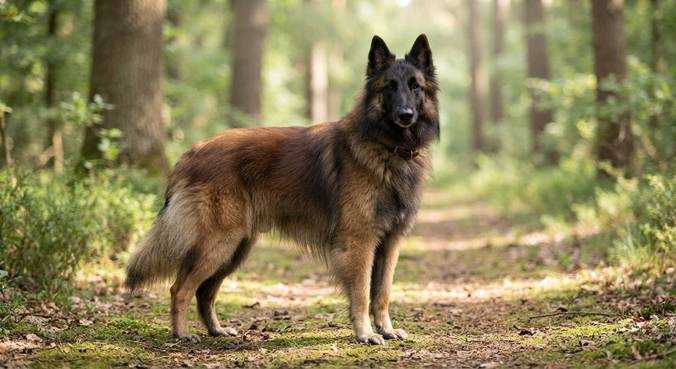
Two dogs named Tom and Poes are where the Belgian Tervuren’s story really begins – a beer-cart puller and a farm dog owned by a Belgian brewer, with no idea they were founding a breed. Today their descendant is one of three Belgian Shepherd varieties recognized as independent breeds by the AKC, and one of the most frequently misidentified dogs in the Herding Group, regularly mistaken for the Belgian Malinois or the Belgian Sheepdog. This guide gives the Belgian Tervuren its own identity: its real origin story, exactly how it differs from its Belgian relatives, and an honest look at its health, temperament, and care needs – including a health concern this breed faces more often than most.
Belgian Tervuren Quick Facts
The AKC recognized the Belgian Tervuren as an independent breed in 1959, placing it in the Herding Group, while the FCI classifies it as one of four varieties of a single breed under Standard No. 15.
| Attribute | Detail |
| AKC Group | Herding Group (recognized 1959) |
| FCI Group | Group 1, Section 1, Standard No. 15 (variety of Belgian Shepherd Dog) |
| Country of Origin | Belgium |
| Height | 24-26 in (males), 22-24 in (females) |
| Weight | 55-75 lb |
| Lifespan | 12-14 years |
| Coat | Medium-long, straight, abundant double coat |
| Colors | Fawn to mahogany with black overlay and black mask |
| Temperament | Intelligent, alert, confident, reserved with strangers |
What Is a Belgian Tervuren?
Tom and Poes: The Brewery Cart Dogs of Tervuren
The breed’s real origin story is more down-to-earth than most: a Belgian brewer named M. Corbeel owned a long-haired, fawn-colored dog named Tom, who pulled his beer cart by day and guarded the brewery by night. Corbeel bred Tom to a bitch named Poes, and their descendants became the foundation of the variety that would eventually take its name from the village where they lived – Tervuren, in what is now Flemish Brabant. It’s a genuinely working-class founding story, rooted in a dog’s actual daily job rather than a formal breeding program, and it stands apart from both the Malinois’s naming after the city of Malines and the Belgian Sheepdog’s more deliberate origin at Nicolas Rose’s Chateau de Groenendael. Unlike the Sheepdog, which was shaped from the start around a single deliberate coat-color goal, the Tervuren’s fawn-to-mahogany coloring emerged more organically from Tom and Poes’s own natural coats, which is part of why the variety displays a wider color range than its solid-black relative.
From Milsart to AKC Recognition
Tom and Poes produced a daughter named Miss, who was bred to a dog called Duc de Groenendael, and that pairing produced Milsart, the dog the AKC credits as the breed’s first champion. Around the same period, veterinary professor Adolphe Reul proposed organizing the various local Belgian herding dogs by coat type – short, long, or rough – in a standard issued in 1892, and the Society Royale Saint-Hubert formally recognized the breed in 1901. The specific fawn-to-mahogany, black-masked variety descended from Tom and Poes eventually became known as the Tervuren, honoring the brewer’s home village.
AKC and FCI Status
The AKC recognized the Belgian Tervuren as an independent breed in 1959, the same year it separated the Belgian Sheepdog and Belgian Malinois into their own breed classifications, and the first American breed club, the Belgian Tervuren Club, formed in 1960. The FCI takes a different structural approach, treating the Tervuren as one of four varieties – alongside the Groenendael, Malinois, and Laekenois – under a single breed standard, FCI Standard No. 15, Group 1, Section 1.
Belgian Tervuren vs. Belgian Malinois vs. Belgian Sheepdog
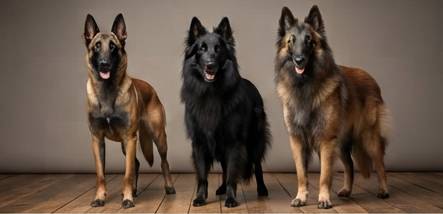
If you’ve landed here trying to figure out which Belgian Shepherd variety you’re actually looking at, here’s the direct comparison against the [Belgian Malinois] and the [Belgian Sheepdog].
| Attribute | Belgian Tervuren | Belgian Malinois | Belgian Sheepdog |
| Coat | Medium-long, fawn to mahogany with black overlay | Short, fawn with black mask | Long, solid black |
| Origin Note | Named for the village of Tervuren, home of foundation dogs Tom and Poes | Named for the city of Malines | Named for Nicolas Rose’s Chateau de Groenendael |
| Distinguishing Trait | Long coat plus fawn-mahogany color sets it apart from both relatives | Most widely used in police/military work | Only solid-black long-coated variety |
The easiest way to tell all three apart at a glance is coat length and color together: the Tervuren is long-coated and fawn-to-mahogany, the Malinois is short-coated and fawn, and the Sheepdog is long-coated and solid black. The [German Shepherd Dog] gets mistaken for all three occasionally, but it’s a genuinely separate breed with distinct German origins and a different body structure, most notably its sloped topline.
Appearance
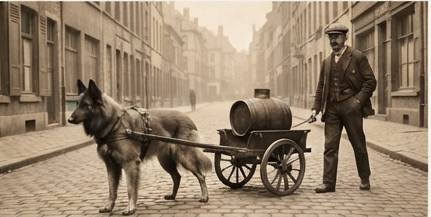
The Belgian Tervuren is elegant and athletic, standing squarely with a proud head and neck carriage. Its medium-long, abundant double coat ranges from fawn to a rich mahogany, overlaid with black tipping that gives the coat a distinctive tortoise-shell-like appearance, along with a black mask across the muzzle.
Temperament
Belgian Tervurens are highly intelligent, confident, and deeply devoted to their families, though typically reserved and watchful around unfamiliar people. Their sharp intelligence and strong desire to please make them formidable competitors in obedience, agility, and herding trials, and the breed has also worked successfully as guide dogs, search-and-rescue dogs, and assistance and therapy dogs. That combination of trainability and emotional sensitivity is part of what makes the Tervuren such a versatile working partner, but it also means the breed reads its owner’s mood closely and can become anxious in an inconsistent or overly tense household.
Is a Belgian Tervuren Right for You?

Families and Children
Belgian Tervurens can thrive in active families willing to provide consistent structure, exercise, and early socialization. Their watchfulness makes them naturally protective, and with proper socialization they generally do well around children and other household pets.
First-Time Owners
This is a genuinely high-drive breed, and first-time owners should go in with clear expectations rather than a casual approach. The Tervuren’s intelligence and herding instinct need a real outlet through training, sport, or structured daily work; owners without prior experience with driven working breeds should be prepared to invest seriously in both time and consistency from day one.
Training
Belgian Tervurens are highly trainable and generally eager to work, but their intelligence means they need engaging, varied training rather than repetitive drilling, which this breed tends to find boring quickly. Early, consistent socialization is particularly important given their natural reserve around strangers. Positive-reinforcement methods work especially well with this breed, since Tervurens tend to shut down or become anxious under harsh correction-based training, while responding readily to reward-based approaches that keep the work feeling like a game rather than a chore. Puppy classes, followed by structured obedience or herding-instinct evaluations, give this breed the early foundation it needs to channel its intelligence productively.
Exercise Needs
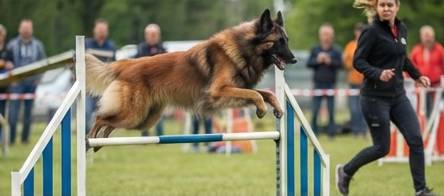
Belgian Tervurens need substantial daily exercise that combines physical activity with mental engagement – herding trials, agility, obedience work, or structured play all suit the breed’s working heritage far better than a simple walk alone. A bored, under-exercised Tervuren often develops its own outlets, which tend to show up as excessive barking, destructive chewing, or an intense fixation on chasing moving objects. Owners who compete in herding trials, agility, or obedience often find the Tervuren genuinely thrives on having a job, and the breed’s consistent presence near the top of AKC herding and obedience rankings reflects just how much this variety enjoys structured, purposeful work over unstructured exercise alone.
Grooming
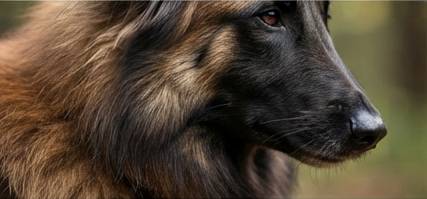
The Belgian Tervuren’s medium-long double coat needs thorough brushing two to three times a week to prevent matting, with noticeably heavier shedding during seasonal coat blowouts. Compared to the Belgian Sheepdog’s longer, solid black coat, the Tervuren’s coat is somewhat more manageable day to day, though the black-tipped fawn coloring still shows dirt and debris readily enough that regular brushing stays a genuine routine rather than an occasional chore. A slicker brush and a metal comb are generally enough for weekly maintenance, but during the twice-yearly coat blowouts, many owners find a de-shedding tool and daily brushing sessions necessary to keep loose undercoat from accumulating around the house. Bathing every six to eight weeks, along with routine nail trims and ear checks, rounds out a manageable grooming routine that most owners can handle at home without professional grooming visits.
Health and Lifespan
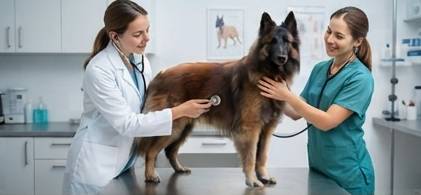
| Key Fact The Belgian Tervuren has an above-average rate of epilepsy compared to most herding breeds – a genuine differentiator worth discussing directly with a breeder, including seizure history in the puppy’s line. |
Belgian Tervurens typically live 12 to 14 years. The breed is generally healthy, but one condition in particular sets it apart from its Belgian relatives in terms of documented risk.
| Condition | What It Is | What Owners Should Watch For |
| Epilepsy | A hereditary seizure disorder that occurs at an above-average rate in this breed compared to most herding breeds | Episodes of disorientation, collapse, or convulsions |
| Hip dysplasia | Abnormal hip joint development leading to joint laxity and arthritis over time | Difficulty rising, reluctance to jump, altered gait |
| Elbow dysplasia | Abnormal elbow joint development, a structural concern in active breeds | Front-leg lameness, stiffness after exercise |
| Hypothyroidism | An underactive thyroid gland affecting metabolism | Weight gain, lethargy, coat thinning |
The [epilepsy] rate in Belgian Tervurens is genuinely worth discussing directly with a breeder, including seizure history in the puppy’s line; [hip dysplasia] and [hypothyroidism] screening are also standard, reasonable questions to ask before bringing a puppy home.
Nutrition
A high-quality diet formulated for active, medium-to-large herding breeds suits the Belgian Tervuren well, with portion sizes calibrated to its genuinely high activity level and adjusted as needed if hypothyroidism is ever diagnosed.
Cost and Adoption
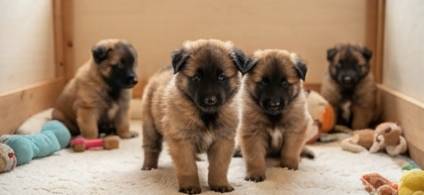
Belgian Tervuren puppies from health-tested breeders typically range from around a thousand to two thousand dollars, and prospective owners should specifically ask about epilepsy, hip, and thyroid history in the puppy’s parents given how well-documented these concerns are in the breed. The American Belgian Tervuren Club maintains breeder referral resources, and breed-specific rescue organizations exist as well, though availability varies since the Tervuren remains less common than the Belgian Malinois. Because the breeding community is comparatively small, prospective owners willing to wait for the right litter, or to travel some distance for a health-tested puppy, are generally better positioned than those hoping to find one quickly through a local search.
Frequently Asked Questions
What is a Belgian Tervuren?
The Belgian Tervuren is a fawn-to-mahogany, black-masked Belgian herding breed descended from two dogs, Tom and Poes, owned by a brewer in the village of Tervuren, Belgium.
Is a Belgian Tervuren the same as a Belgian Malinois?
No – they’re closely related Belgian Shepherd varieties, but the Tervuren has a longer, fawn-to-mahogany coat while the Malinois has a short, fawn coat; the AKC treats them as separate breeds.
Where does the name Tervuren come from?
The breed is named for the Belgian village of Tervuren, home to foundation dogs Tom and Poes, who were owned by a local brewer.
Are Belgian Tervurens good with kids?
Generally yes, in active families providing consistent structure and early socialization, though their natural reserve with strangers means socialization matters.
What health problems do Belgian Tervurens have?
The breed has an above-average rate of epilepsy compared to most herding breeds, along with hip dysplasia, elbow dysplasia, and hypothyroidism.
How much grooming does a Belgian Tervuren need?
Thorough brushing two to three times a week manages the double coat, with heavier grooming demands during seasonal shedding.
How much does a Belgian Tervuren cost?
Puppies from health-tested breeders typically range from around a thousand to two thousand dollars; breed-specific rescues exist but availability varies.
Conclusion
The Belgian Tervuren has its own genuinely distinct story – a working brewery dog’s descendants that became one of the most versatile performers in the Herding Group – and it deserves to be understood on those terms rather than as a footnote to its more famous relatives. Taking the breed’s above-average epilepsy rate seriously, and matching its real exercise and training needs, gives this elegant, capable dog its best shot at a lasting, healthy match with the right family.