American Cocker Spaniel: The Gentle Companion with a Golden Heart
American Cocker Spaniel
There’s something almost cinematic about the way an American Cocker Spaniel moves — ears sweeping like curtains, tail wagging with pure enthusiasm, eyes that seem to understand every word you say. This breed has charmed households across the world for nearly a century, and once you spend time with one, it’s easy to understand why.
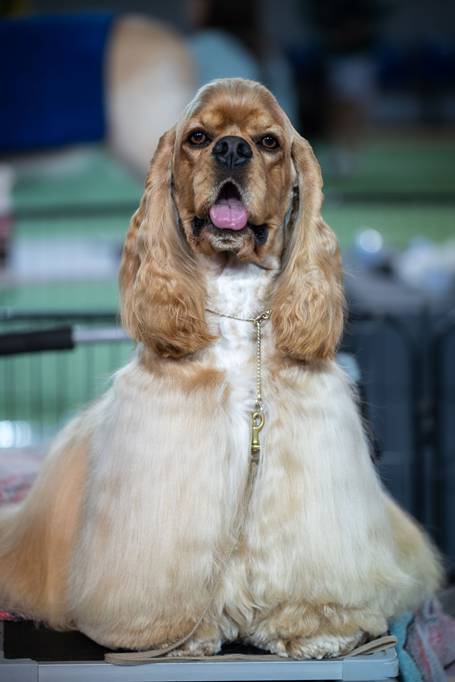
Originally bred in the United States from English hunting stock, the American Cocker Spaniel eventually carved its own identity, becoming smaller, softer-coated, and increasingly favored as a companion dog rather than a working gundog. Today, it ranks among the most beloved family breeds, known for its sweet temperament, expressive face, and undeniable charisma at dog shows.
A Breed Built on Affection
What sets this dog apart isn’t just its looks — though the silky coat and doe-like eyes certainly help. It’s the emotional intelligence. American Cocker Spaniels bond deeply with their families, often shadowing their owners from room to room. They’re not the type of dog that thrives being left alone for long stretches; they want to be part of whatever is happening.
Training tends to go smoothly with this breed. They’re eager to please, food-motivated, and quick learners, though their sensitive nature means harsh corrections backfire. A calm, encouraging approach works far better than dominance-based methods.
Grooming, on the other hand, is where owners need to commit. That flowing coat doesn’t maintain itself — regular brushing, periodic trimming, and attention to those long ears (which can trap moisture and lead to infections) are non-negotiable parts of ownership.
Cocker anglais
Before diving deeper into the American variety, it’s worth understanding its closest relative: the English Cocker Spaniel. Both breeds share a common ancestor, but they diverged significantly after being separated by breeding standards on opposite sides of the Atlantic.
The English Cocker Spaniel tends to be taller, with a longer muzzle and a more athletic build suited to its original purpose — flushing out game birds in dense brush. Its coat, while still elegant, is generally shorter and less voluminous than what you’d see on an American Cocker.

Temperament-wise, the English Cocker retains more of its working-dog energy. It’s active, curious, and often needs more physical exercise to stay balanced. Many English Cockers still work in the field today, something rarely seen with their American cousins, who have largely transitioned into companion and show roles.
Cocker américain vs anglais
This comparison comes up constantly among prospective owners, and understandably so — the names are nearly identical, yet the dogs differ in several meaningful ways.
Size and Build
The American Cocker Spaniel is noticeably smaller and more compact, with a rounder head and shorter muzzle. The English Cocker Spaniel stands taller with a more elongated face and leaner frame.
Coat
American Cockers boast a longer, silkier coat with heavier feathering on the legs, ears, and belly. English Cockers carry a more moderate coat length, requiring less intensive grooming.
Energy Levels
English Cockers generally need more daily exercise due to their working heritage. American Cockers are still active dogs but adapt more easily to a relaxed home routine, making them slightly better suited for apartment living.
Temperament
Both breeds are affectionate and people-oriented, but American Cockers tend to be a touch more laid-back and dependent on human companionship, while English Cockers often display more independence and drive.
Neither breed is objectively “better” — the right choice depends entirely on your lifestyle, activity level, and grooming tolerance.
Cocker Américain prix
Budgeting for an American Cocker Spaniel involves more than just the initial purchase price, though that’s certainly where most people start.
Purchase Price
From a reputable breeder, expect to pay anywhere between $800 and $2,000 USD (roughly 750€ to 1,900€), depending on lineage, location, and whether the puppy comes from show or pet lines. Dogs with championship bloodlines or rare coat colors often command higher prices.

Ongoing Costs
- Grooming: Professional grooming every 4–6 weeks can run $50–$100 per session unless you learn to do it yourself.
- Food: High-quality dog food suited to medium-sized breeds typically costs $40–$70 monthly.
- Veterinary Care: Annual checkups, vaccinations, and preventive care average $200–$500 per year, though this breed is prone to certain conditions (ear infections, hip dysplasia, eye problems) that may increase costs over time.
- Pet Insurance: Many owners opt for insurance, typically $30–$50 monthly, to offset unexpected medical expenses.
Adoption through a rescue organization is a far more affordable alternative, often costing between $150 and $400, and comes with the added benefit of giving a dog in need a second chance.
Cocker Américain nain
The term “nain” (dwarf or miniature) sometimes causes confusion, as there’s no officially recognized “miniature” or “toy” variant of the American Cocker Spaniel within major kennel clubs like the AKC or FCI. The breed itself is already considered small-to-medium sized, typically weighing between 20–30 pounds (9–13 kg) and standing 13.5–15.5 inches (34–39 cm) at the shoulder.
However, the marketplace does sometimes advertise smaller-than-standard individuals as “miniature” or “toy” Cockers. These dogs are usually the result of breeding smaller specimens together, rather than a distinct, health-verified breed line. Prospective buyers should approach such claims cautiously, as breeding for extreme size reduction can introduce health complications, including skeletal and organ development issues.
If a compact companion is the goal, it’s generally safer and more ethical to choose a well-bred standard American Cocker Spaniel from a health-tested breeder rather than pursuing an unofficial “dwarf” variety.
Is the American Cocker Spaniel Right for You?
This breed thrives in homes where it receives consistent attention, moderate exercise, and regular grooming. It’s an excellent match for families, first-time dog owners, and anyone seeking a loyal companion that’s equally happy curling up on the couch or trotting alongside you on a walk.
What it doesn’t tolerate well is neglect — of attention or of coat maintenance. Owners willing to invest that time are rewarded with one of the most devoted, emotionally attuned breeds in the canine world.